Women’s Health – Physiotherapy Solutions for Pelvic Floor Disorders
Pelvic floor disorders are a prevalent concern among women, impacting their quality of life and daily activities. Physiotherapy offers effective, non-invasive solutions to address these issues, promoting better health and well-being. This blog delves into the significance of pelvic floor health, common disorders, and the physiotherapy interventions available in Canada.
Understanding the Pelvic Floor
The pelvic floor is a group of muscles and connective tissues that form a supportive sling at the base of the pelvis. These muscles support vital organs, including the bladder, uterus, and rectum, and play a crucial role in urinary and fecal continence, sexual function, and core stability. When these muscles become weakened or overly tight, pelvic floor disorders can arise.
Common Pelvic Floor Disorders in Women
- Urinary Incontinence: The involuntary leakage of urine, often occurring during activities that increase abdominal pressure, such as coughing, sneezing, or exercising.
- Pelvic Organ Prolapse: A condition where pelvic organs descend due to weakened support, leading to a sensation of pressure or bulging in the vaginal area.
- Pelvic Pain: Chronic discomfort in the pelvic region, which can be associated with conditions like dyspareunia (painful intercourse) or vaginismus (involuntary muscle spasms).
Causes and Risk Factors
Several factors contribute to the development of pelvic floor disorders:
- Pregnancy and Childbirth: The strain of carrying and delivering a child can stretch and weaken pelvic floor muscles.
- Aging and Menopause: Hormonal changes and natural aging can reduce muscle tone and elasticity.
- Chronic Constipation: Regular straining during bowel movements can overburden pelvic muscles.
- Obesity: Excess body weight increases pressure on the pelvic region.
- Surgery: Procedures like hysterectomy can alter pelvic floor integrity.
Physiotherapy Solutions
Pelvic floor physiotherapy is a specialized branch of physical therapy focusing on the assessment and rehabilitation of pelvic floor muscles. It is recognized as an effective, first-line treatment for various pelvic health disorders in Canada.
Assessment
A comprehensive evaluation by a pelvic health physiotherapist includes:
- Medical History Review: Understanding symptoms, lifestyle, and contributing factors.
- Physical Examination: Assessing pelvic floor muscle strength, tone, and coordination through external and internal techniques.
Treatment Approaches
- Pelvic Floor Muscle Training (PFMT): Tailored exercises to strengthen or relax pelvic muscles, depending on individual needs. For instance, Kegel exercises involve contracting and relaxing these muscles to enhance control.
- Biofeedback: Utilizing sensors to provide real-time feedback, helping patients learn to activate or relax pelvic muscles effectively.
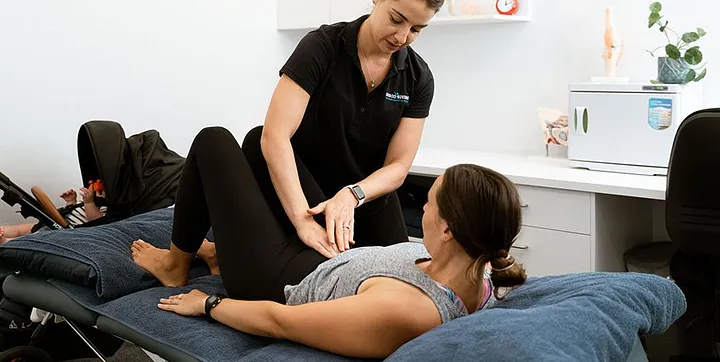
- Manual Therapy: Hands-on techniques to release tight muscles, improve blood flow, and reduce pain.
- Education and Lifestyle Modifications: Guidance on bladder and bowel habits, posture, and dietary changes to support pelvic health.
- Electrical Stimulation: Using mild electrical currents to stimulate and strengthen pelvic floor muscles.
Benefits of Pelvic Floor Physiotherapy
- Improved Bladder and Bowel Control: Reducing instances of incontinence and urgency.
- Alleviation of Pelvic Pain: Addressing muscle tightness and dysfunction to ease discomfort.
- Enhanced Sexual Function: Improving muscle tone can lead to increased sensation and reduced pain during intercourse.
- Support During Pregnancy and Postpartum: Strengthening muscles to aid in childbirth and recovery.
Accessing Pelvic Floor Physiotherapy in Canada
Access to pelvic health physiotherapy varies across provinces. While some services are covered by provincial health plans, others may require private insurance or out-of-pocket payment. Organizations like Pelvic Health Solutions offer continuing education for practitioners, ensuring a high standard of care.
It’s advisable to consult with healthcare providers or local physiotherapy clinics to understand available services and coverage options.
Conclusion
Pelvic floor disorders are common among women but often go unaddressed due to embarrassment or lack of awareness. Physiotherapy provides effective, non-invasive solutions to these issues, enhancing quality of life. If you experience symptoms of pelvic floor dysfunction, consider consulting a qualified pelvic health physiotherapist to explore personalized treatment options.