Bowen Technique

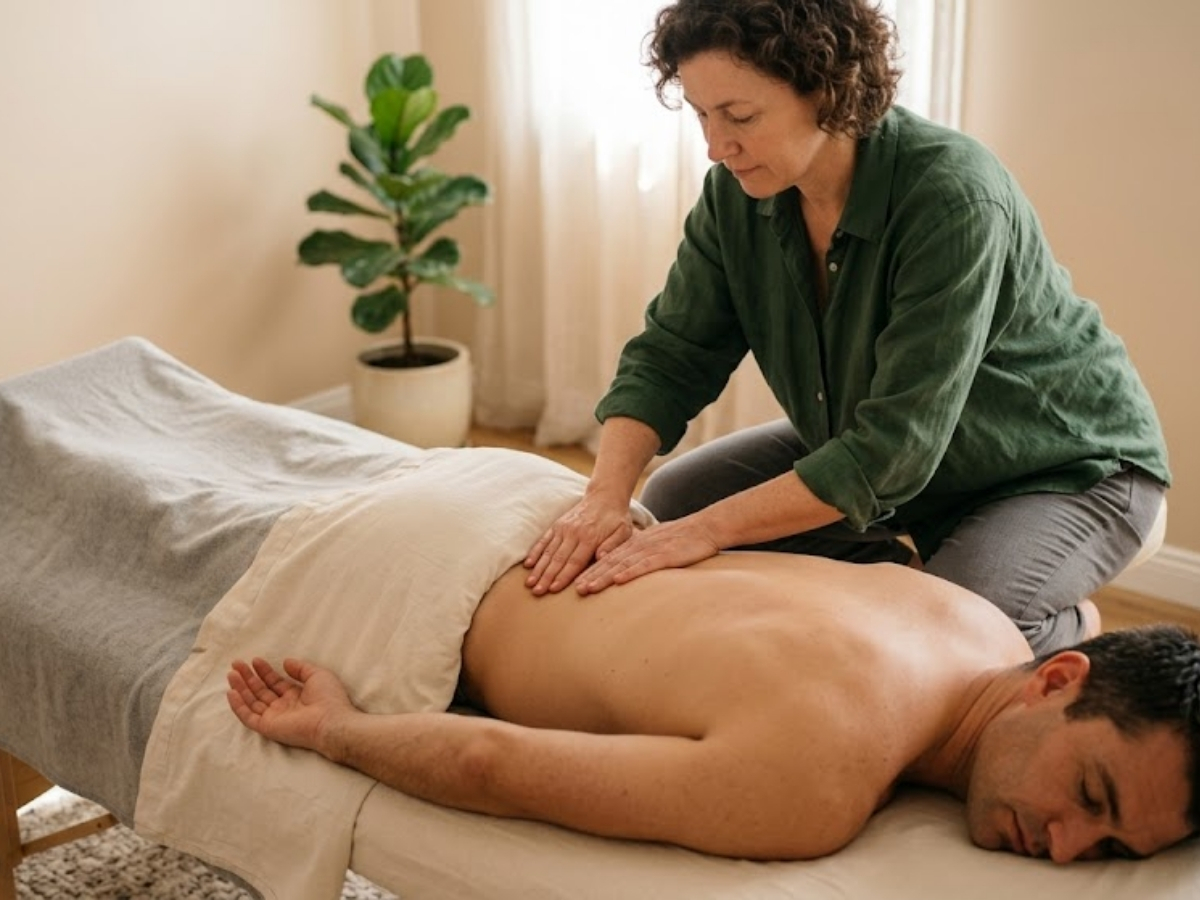
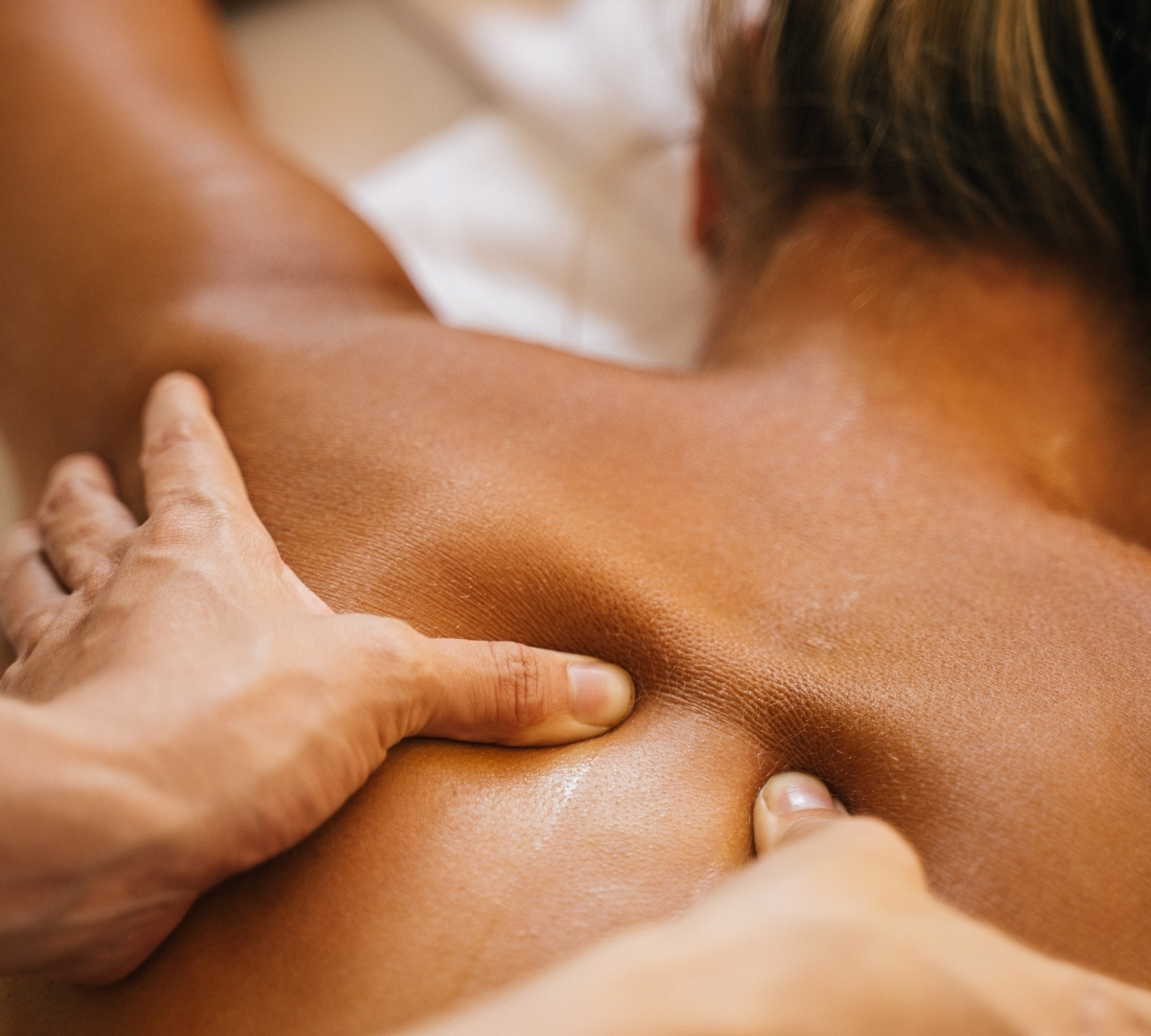
Bowen Technique is a gentle, hands-on therapy that works with the body’s soft connective tissue to encourage balance, improved function, and improved movement quality. It uses subtle, precise rolling movements over specific points on muscles, tendons, ligaments, and fascia to stimulate the body’s natural ability to reset and regulate itself.

Unlike more forceful manual therapies, Bowen Technique is typically very light in application. Treatments are delivered in short sequences with intentional pauses between sets of movements, allowing the nervous system time to process and respond. This “less is more” approach is a key component of how the technique works.
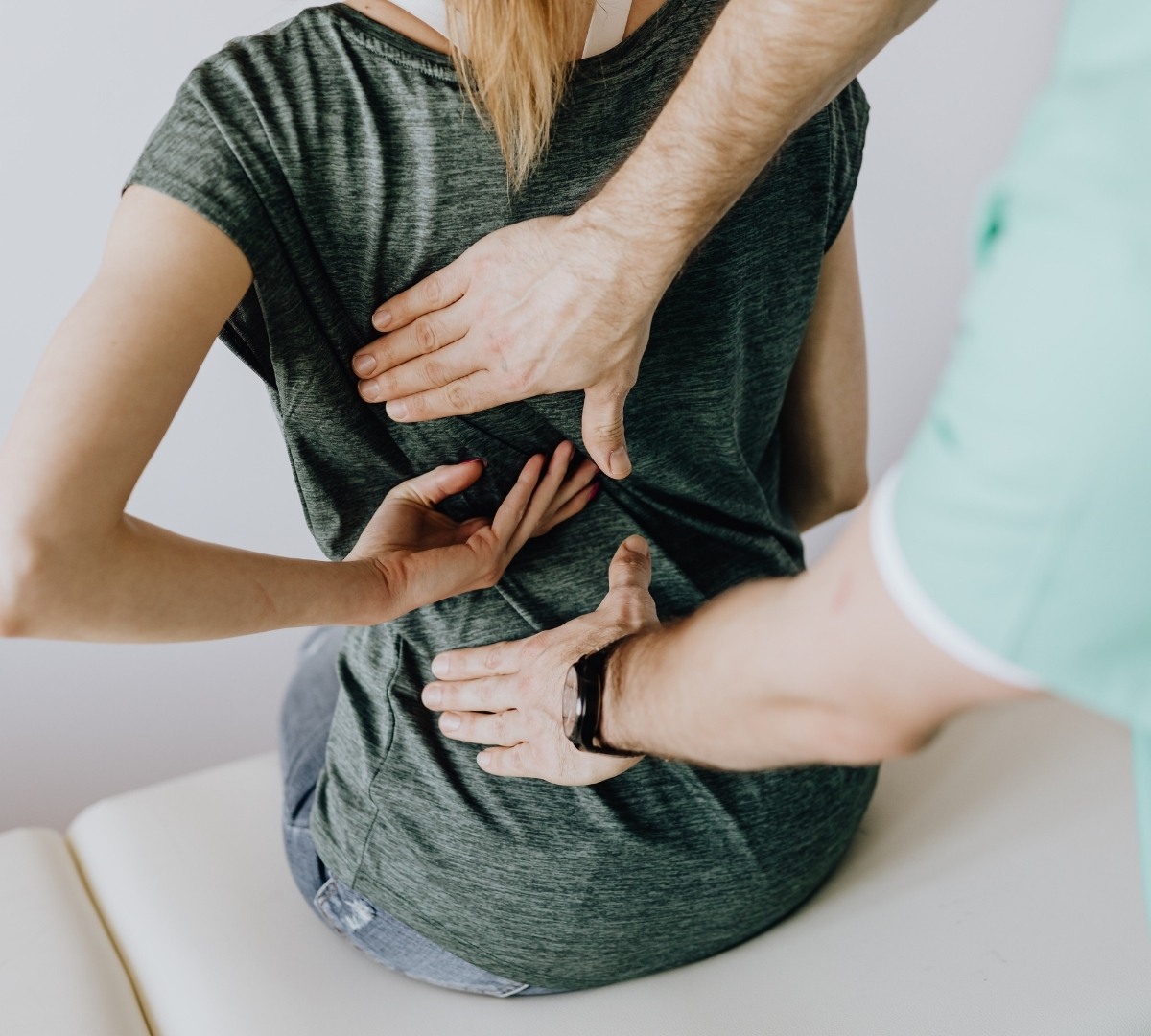
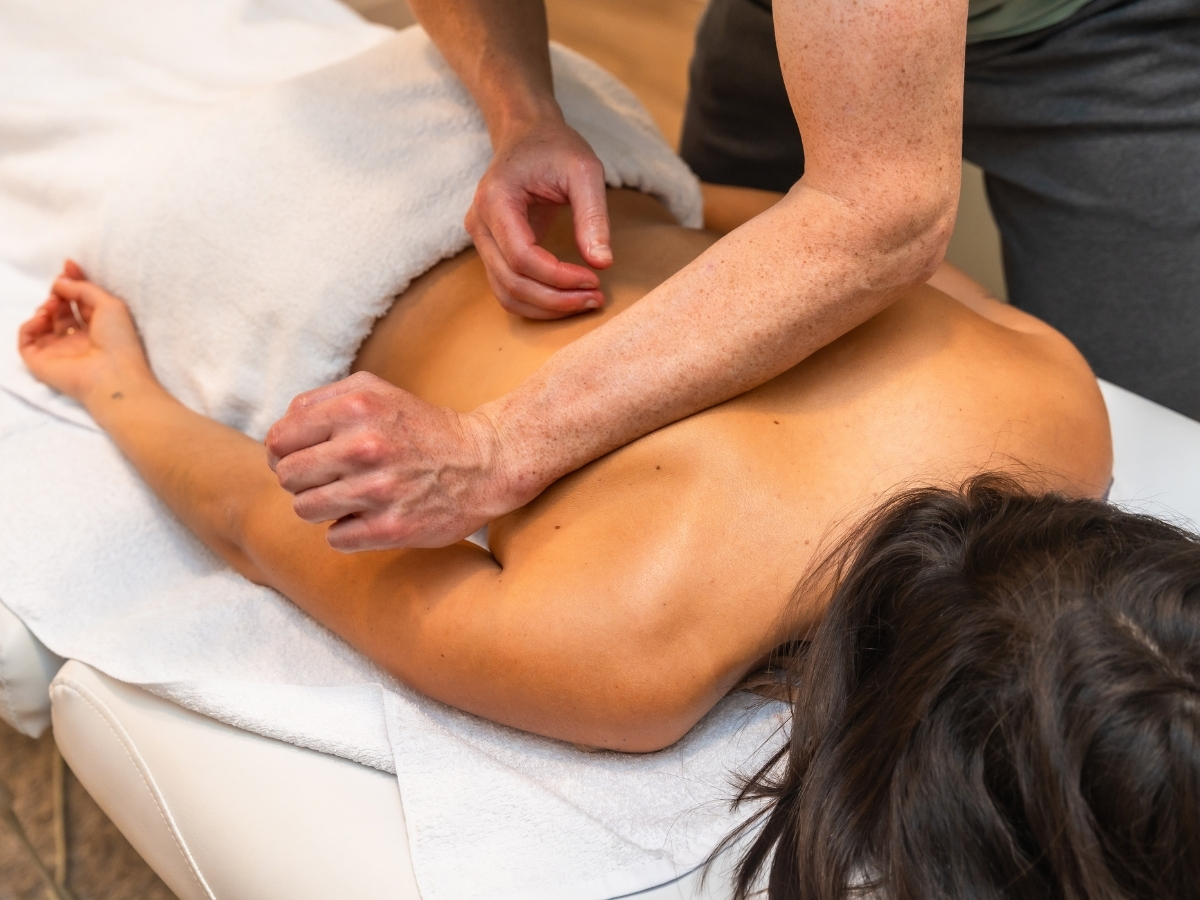
In practice, Bowen Technique is used to support a wide range of musculoskeletal and functional concerns. It may help reduce muscle tension, improve mobility, support recovery from injury, and assist with long-standing patterns of restriction or imbalance. Because of its gentle nature, it is often well tolerated by a wide range of clients, including those who may not respond well to deeper or more intensive manual therapies. It may also be beneficial for individuals managing developmental physical disorders that contribute to daily pain, movement challenges, or motor function limitations, as well as those recovering from more severe injuries affecting movement and physical function.

During a Bowen session, many clients notice a sense of ease in the body and a decrease in physical tension. The effects may continue to develop over the following days as the body integrates the input from the session.

Bowen Technique can be used on its own or as part of a broader, multidisciplinary care plan alongside Massage Therapy or other rehabilitation approaches, depending on individual needs and goals. At Coastal, Bowen Technique is also offered within massage therapy sessions with Dustin MacLeod, integrating this approach when appropriate to support treatment outcomes.

Bowen Technique may be used to support clients with:

  • Muscle tension and tightness
  • Neck and shoulder discomfort
  • Low back pain
  • Sciatica-like symptoms
  • Joint stiffness and reduced mobility
  • Headaches and migraine-type patterns
  • Postural imbalances
  • Sports-related strains and overuse injuries
  • Recovery following acute injuries (once appropriate)
  • Chronic or persistent musculoskeletal discomfort
  • Stress-related physical tension patterns
  • Restricted movement following repetitive strain
  • General movement dysfunction or asymmetry
  • Developmental physical disorders affecting movement and daily function
  • Motor function limitations related to injury or chronic physical conditions
  • Recovery and rehabilitation following more severe injuries affecting mobility and coordination

Reach out to Us

We'll do our best to get back to you as soon as we can.