
Physiotherapy, Chiropractic and Massage Therapy in Halifax & Bedford
Coastal Sports & Wellness is a multidisciplinary clinic serving Halifax and Bedford, offering a wide range of services including physiotherapy, chiropractic care, massage therapy, osteopathy, acupuncture, dietetic services, counselling therapy, and nurse-led care. Our licensed practitioners work collaboratively to deliver personalized treatment plans that improve mobility, reduce pain, and support long-term health, recovery, and performance.
Our mission is to provide exceptional care and services to maximize your wellbeing and your bodies performance, while encouraging client’s health through treatment frequency, body awareness and continual education. Investing time & commitment into your preventive health will return impressive results in your overall fitness and long term will maintain youthfulness over each passing year.
Coastal Sports & Wellness provides a full range of evidence-based treatments designed to help you recover faster and stay active. Our clinic brings together physiotherapists, chiropractors, massage therapists, dietitians, naturopaths, and wellness specialists to create customized treatment plans for every patient.
- One Stop Multidisciplinary Clinic – We offer 10 disciplines and multiple services to suit everyones individual needs.
- Highly Educated & Trained Practitioners – Your Treatment will be performed by only licensed and qualified therapists.
- Comfortable, Clean & Large Clinic – Our clinic feels warm & welcoming the moment you walk through the front door.
- Practitioners Network – Our staff work in a collaborative environment, communicating daily on the best treatment plan and modalities for your recovery.
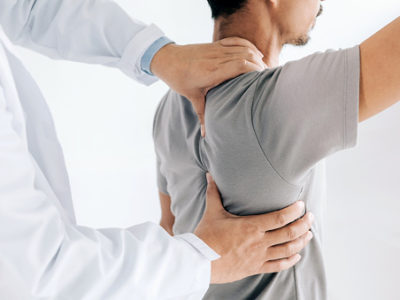
Sport Physiotherapy
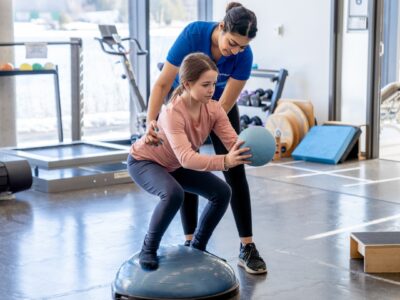
Sport Physiotherapy is a specialized branch of physiotherapy focused on the assessment.
Pelvic Floor Physiotherapy

Pelvic floor physiotherapy aims to rehabilitate the all-important muscles lining your pelvic floor.
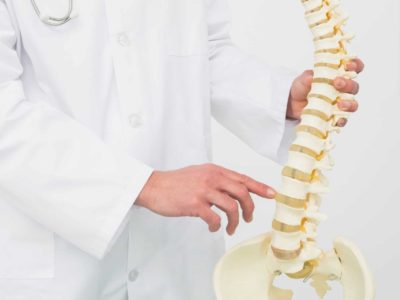
Paediatric Chiropractic
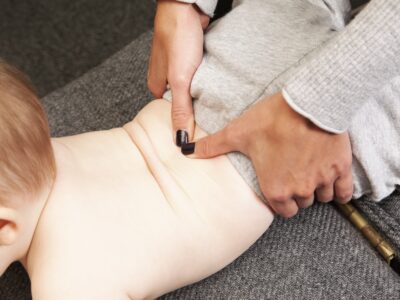
Expecting mothers during the prenatal stage, gentle treatment for new mothers in the postnatal phase, and ensuring safe & effective care for infants and children in the paediatric age group.
Massage
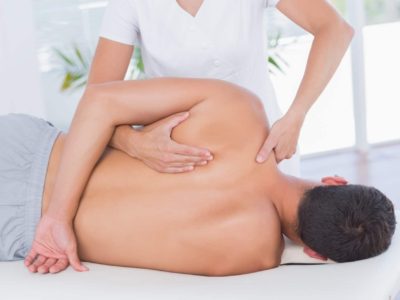
Enhancing physical recovery, aiding in rehabilitation, and alleviating pain for a more comprehensive healing experience
Sport Massage

Aiding in rehabilitation, targeting sports-related issues, and easing pain for enhanced physical recovery.
Pregnancy Massage

Providing relief and comfort to expectant mothers, helping alleviate discomfort and promoting a soothing experience during their pregnancy journey.
Acupuncture

Utilizing thin needles on specific points along meridians for improved health through Traditional Chinese Medicine.
Sport Acupuncture

Applying fine needles to strategic meridian points within the framework to optimize athletic well-being and performance, providing a targeted solution for sports-related discomfort and enhanced recovery.
Facial Rejuvenation Acupuncture
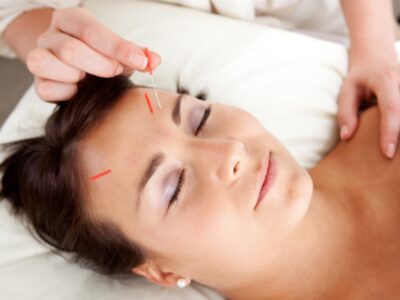
Expertly placed fine needles on specific facial points to revitalize and rejuvenate the skin, offering a tailored approach to enhance natural beauty and promote a youthful appearance
Osteopathic Manual Practitioner
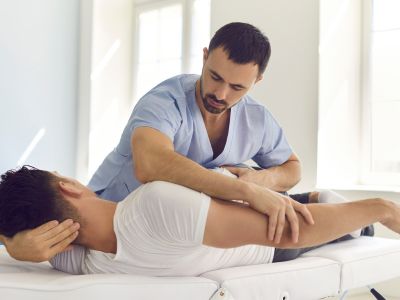
A natural therapy focused on addressing the root causes of pain and illness.

Sport Dietitian

Guiding you through the intricacies of food and nutrition for optimal athletic performance and recovery.
Naturopathic Medicine

Combining evidence-based research with traditional healing practices.
Counselling Therapy

Professional support, guiding you to well-being and fulfillment with compassion and expertise.
Reflexology

Holistic therapy applying pressure points on the feet, hands, or ears to promote overall well-being.
What is Physiotherapy?
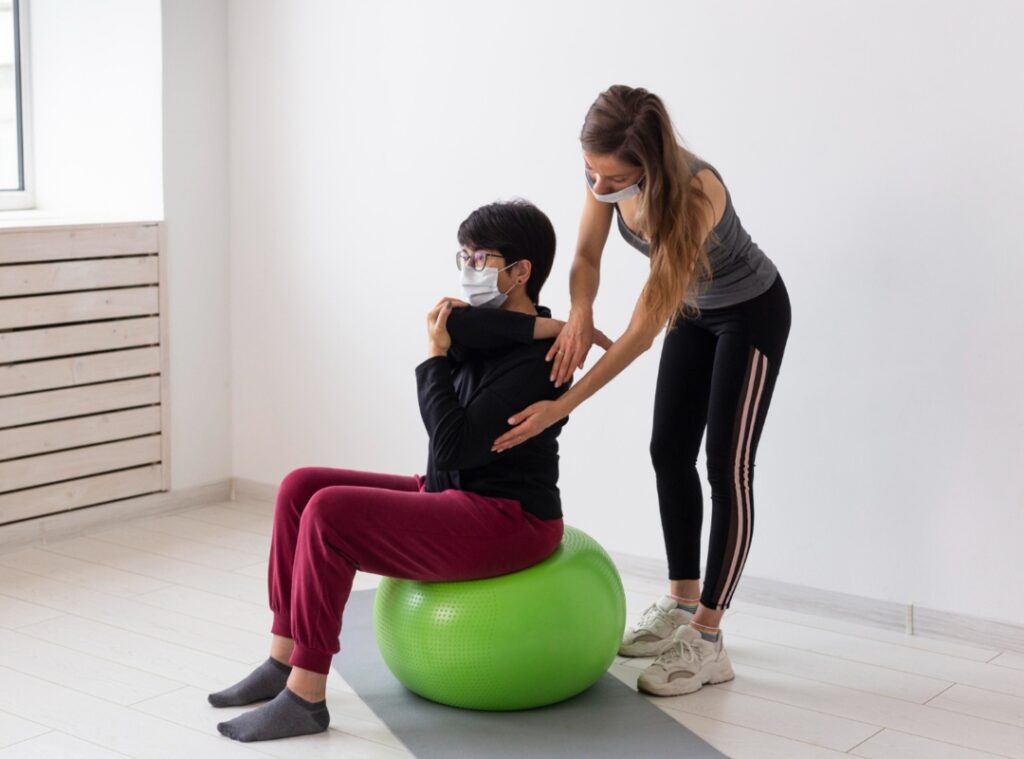
Physiotherapy is a healthcare discipline focused on restoring movement, reducing pain, and improving overall physical function. It helps individuals recover from injuries, manage chronic conditions, and maintain optimal mobility through a combination of manual therapy, targeted exercises, and evidence-based rehabilitation techniques.
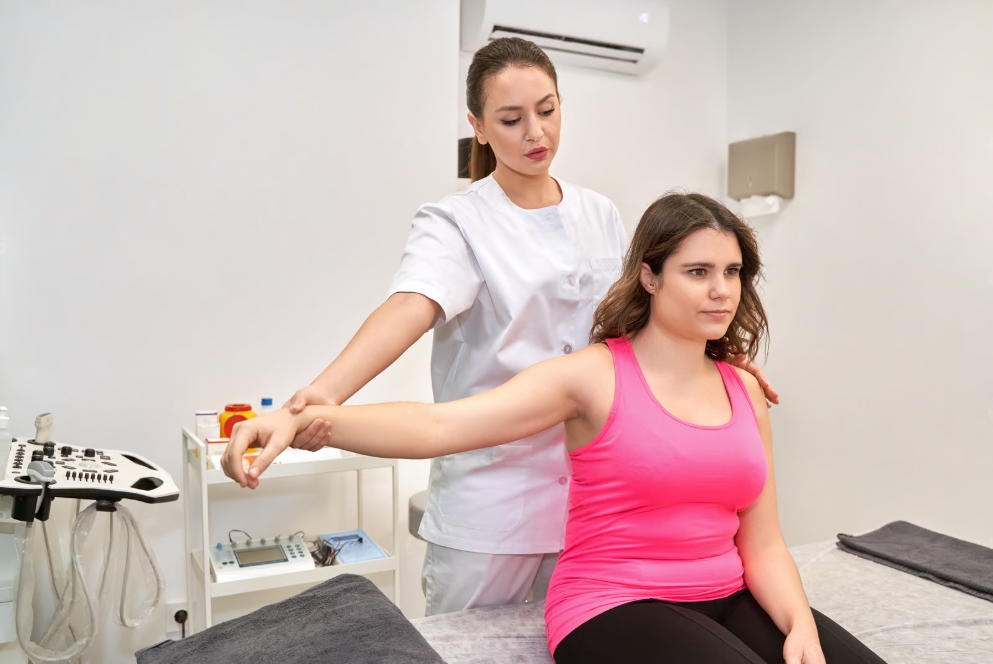
At Coastal Sports & Wellness, physiotherapy begins with a detailed assessment of how your body moves, identifying the root cause of pain or physical limitation. Your physiotherapist then develops a personalized treatment plan that may include therapeutic exercises, joint mobilization, soft tissue therapy, posture correction, and movement training.
Serving Halifax, Bedford, and Surrounding Communities
Our clinics proudly serve patients across Halifax Regional Municipality, including Bedford, Dartmouth, Sackville, Clayton Park, and surrounding communities.
Reach out to Coastal Sports & Wellness if you’re searching for:
Frequently Asked Questions
What conditions can physiotherapy treat?
Physiotherapy helps treat injuries affecting muscles, joints, and nerves. Common conditions include sports injuries, back pain, neck pain, joint stiffness, and post-surgical rehabilitation.
Do I need a referral to see a physiotherapist?
In most cases, you do not need a referral to book physiotherapy in Nova Scotia. Many patients book appointments directly with our clinic.
What is the difference between physiotherapy and chiropractic care?
Physiotherapy focuses on restoring movement and strength through exercise and rehabilitation techniques, while chiropractic care focuses on spinal alignment and joint health.
Does massage therapy help with injury recovery?
Yes. Massage therapy improves blood circulation, reduces muscle tension, and supports recovery from sports injuries and physical strain.
How often should I receive treatment?
Treatment frequency depends on your condition, goals, and recovery progress. Your practitioner will recommend a customized treatment plan after your assessment.
Do you treat sports injuries?
Yes. Our sports physiotherapy specialists work with athletes of all levels to diagnose, treat, and prevent sports injuries.

Latest Blogs
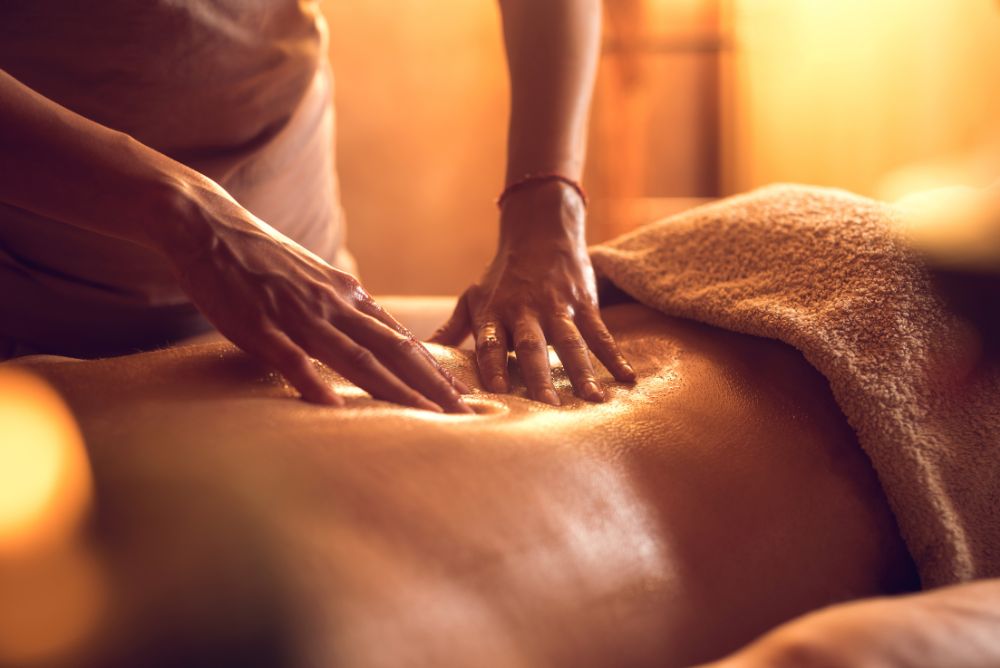
Halifax Visceral Manipulation: A Gentle Approach to Mobility and Function
Halifax Visceral Manipulation: A Gentle Approach to Mobility and Function Our bodies are designed to move with ease, but pain, injuries, surgery, stress, and everyday wear can affect how different tissues work together. While many people focus on muscles and joints when looking for relief, the body’s internal organs also play an important role in
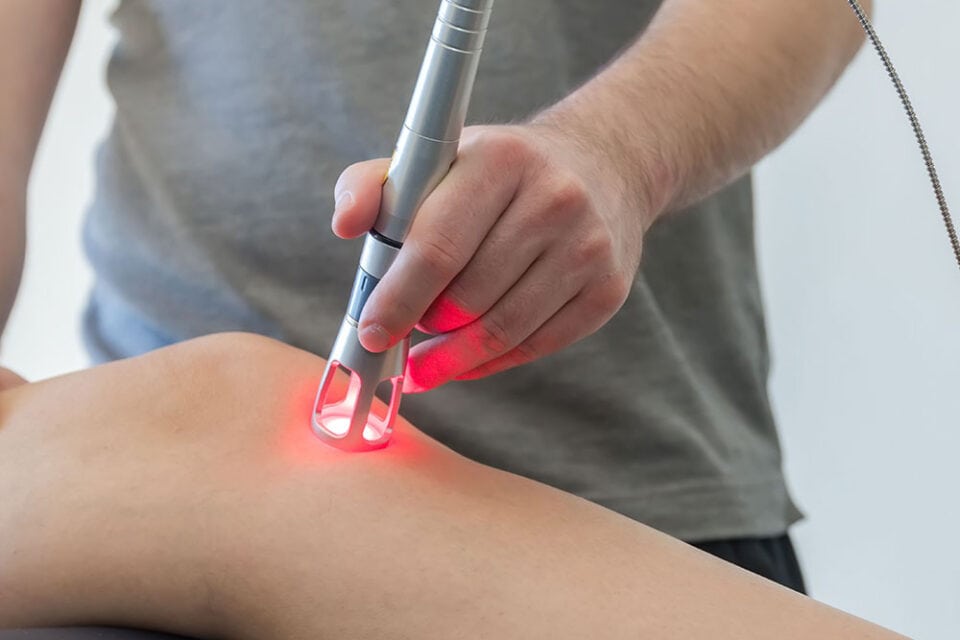
How Low Level Laser Therapy in Halifax Supports Soft Tissue Healing
How Low Level Laser Therapy in Halifax Supports Soft Tissue Healing Soft tissue injuries can affect every aspect of daily life, from walking comfortably to participating in sports or completing routine work tasks. Whether the injury develops gradually through repetitive strain or happens suddenly during physical activity, damaged muscles, tendons, ligaments, and fascia require the
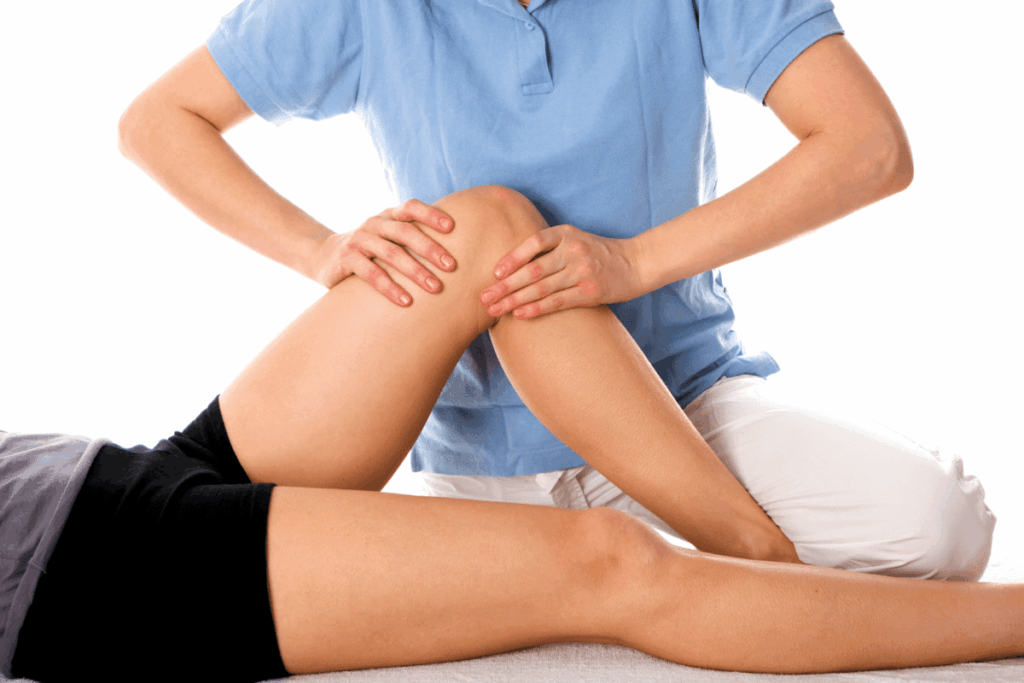
How Neurokinetic Therapy in Halifax Restores Proper Muscle Activation
How Neurokinetic Therapy in Halifax Restores Proper Muscle Activation Pain is not always caused by injury alone. Many people experience ongoing discomfort, limited mobility, or recurring muscle tightness because certain muscles stop functioning the way they should. When one muscle becomes weak or inhibited, another often compensates by working harder than intended. Over time, these
Reach out to Us

© 2026 Coastal Sports and wellness. All rights reserved.