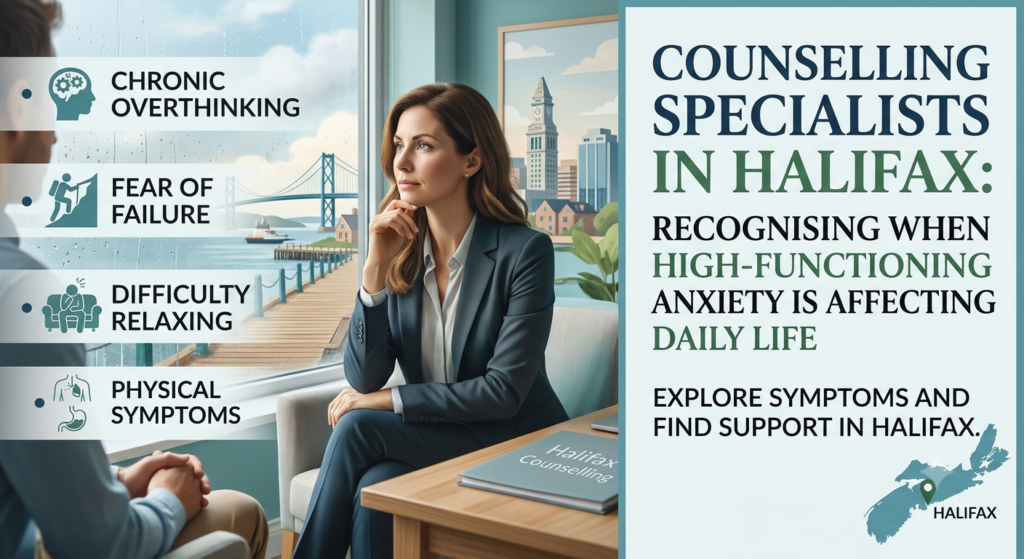
Counselling Specialists in Halifax: Recognising When High-Functioning Anxiety Is Affecting Daily Life
Understanding High-Functioning Anxiety Behind Everyday Success
High-functioning anxiety can be difficult to recognise because it often exists alongside professional success, strong relationships, and the ability to manage everyday responsibilities. People experiencing this form of anxiety may appear confident, organised, and dependable while privately struggling with persistent worry, self-doubt, and emotional exhaustion. They may consistently meet deadlines, support their families, and maintain high standards because they feel uncomfortable with the possibility of making mistakes. Although these habits can sometimes lead to positive outcomes, they may also become exhausting when driven by a constant fear of failure or disappointment. At Coastal Sports And Wellness, we understand that appearing capable on the outside does not always reflect how someone feels internally. Recognising the difference between healthy motivation and anxiety-driven behaviour can help individuals understand their emotional needs and consider whether professional support could improve their quality of life.
What Is High-Functioning Anxiety?
High-functioning anxiety is a commonly used term to describe people who experience significant anxiety while continuing to manage their daily responsibilities. It is not a formal mental health diagnosis, but the experiences associated with it can overlap with recognised anxiety conditions, including generalised anxiety disorder. Individuals may worry excessively about their performance, relationships, financial security, or future decisions while maintaining an appearance of control. They might prepare extensively for ordinary situations, repeatedly check completed work, or struggle to relax because their minds are constantly anticipating potential problems. These patterns can become so familiar that individuals begin to view them as personality traits rather than signs of emotional distress. Counselling specialists in Halifax can help people explore these experiences, understand their underlying causes, and determine whether their anxiety would benefit from professional assessment and support.
Recognising the Signs of Anxiety Behind a Successful Lifestyle
One of the most challenging aspects of high-functioning anxiety is that its symptoms can be mistaken for dedication, ambition, or conscientiousness. A person who regularly arrives early, prepares for every possibility, and takes responsibility for additional tasks may receive praise without anyone noticing the emotional pressure behind these behaviours. However, when everyday activities require constant mental effort, even small responsibilities can become overwhelming. Individuals may feel unable to stop thinking about unfinished work, worry about disappointing others, or experience guilt whenever they take time for themselves. They may also replay conversations repeatedly, searching for signs that they said something inappropriate or made a negative impression. When these patterns interfere with emotional well-being, counselling can provide an opportunity to recognise unhealthy coping strategies and develop a more balanced approach to everyday life.
When Constant Overthinking Becomes Difficult to Control
Overthinking is a common experience, but persistent anxiety can make it difficult to disengage from repetitive thoughts. Someone experiencing high-functioning anxiety might spend hours reviewing a decision, imagining negative outcomes, or questioning whether they handled a situation correctly. Even after receiving reassurance, they may continue searching for additional information because they cannot achieve a lasting sense of certainty. This mental repetition can make ordinary choices feel unusually complicated and consume energy that could otherwise be directed towards meaningful activities. Over time, individuals may experience difficulty concentrating, disrupted sleep, irritability, or a reduced ability to remain present during conversations. Working with counselling specialists in Halifax can help individuals identify repetitive thinking patterns, understand the fears that sustain them, and practise strategies that encourage more flexible and realistic responses to uncertainty.
The Connection Between Perfectionism and Anxiety
Perfectionism can contribute to high-functioning anxiety when individuals believe that their worth depends on consistently meeting demanding expectations. They may set standards that are difficult to maintain, interpret minor mistakes as personal failures, or feel uncomfortable submitting work unless every detail has been checked repeatedly. Although attention to detail can be valuable, perfectionism becomes problematic when the fear of making mistakes prevents someone from completing tasks efficiently or enjoying their achievements. Some individuals may also avoid new opportunities because they worry about appearing inexperienced or failing to meet other people’s expectations. This pressure can create a cycle in which temporary relief from completing a task reinforces the belief that excessive preparation is necessary for success. Through counselling, individuals can explore the beliefs behind their perfectionism, develop more realistic expectations, and learn to recognise that mistakes are a normal part of learning rather than evidence of personal inadequacy.
How High-Functioning Anxiety Affects Work and Professional Relationships
The workplace can become a significant source of anxiety for people who feel responsible for maintaining consistently high performance. They may take on additional assignments, struggle to delegate responsibilities, or continue working beyond their scheduled hours because they fear that saying no will disappoint colleagues or supervisors. Even positive feedback may provide only temporary reassurance if they immediately begin worrying about their next assignment. Some individuals experience difficulty participating in meetings, asking questions, or expressing disagreement because they fear being judged negatively. These behaviours can contribute to burnout, reduced job satisfaction, and tension in professional relationships, even when the individual continues to meet expectations. At Coastal Sports And Wellness, we recognise the importance of exploring how emotional pressure affects different areas of life, including professional responsibilities, personal boundaries, and the ability to maintain a sustainable routine.
Understanding the Physical Symptoms of Persistent Anxiety
Anxiety does not affect thoughts and emotions alone, as ongoing stress can also produce noticeable physical symptoms. Individuals may experience muscle tension, headaches, stomach discomfort, restlessness, fatigue, or difficulty falling asleep despite feeling exhausted. Some people notice a racing heartbeat or shallow breathing when anticipating a challenging conversation, an important deadline, or an unfamiliar situation. Because they continue meeting their responsibilities, they may dismiss these physical experiences as ordinary consequences of being busy. However, repeatedly ignoring discomfort can make it more difficult to recognise when stress is affecting overall well-being. Counselling can help individuals understand the relationship between anxious thoughts, emotional responses, and physical sensations while exploring practical ways to manage stress. Persistent or concerning physical symptoms should also be discussed with a qualified healthcare professional because they can have causes other than anxiety.
Why It Can Be Difficult to Ask for Help
People experiencing high-functioning anxiety may hesitate to seek counselling because they believe their problems are not serious enough to deserve attention. They might compare their circumstances with those of people experiencing more visible difficulties and conclude that they should be able to manage everything independently. Others may worry that discussing their emotions will make them appear weak, ungrateful, or incapable of handling responsibility. Because friends and colleagues often see them as dependable, these individuals may feel pressure to maintain that image even when they are struggling privately. This can lead to isolation and delay the opportunity to receive appropriate support. Seeking counselling is not an admission of failure, but a constructive way to understand personal challenges, strengthen coping skills, and improve emotional well-being before anxiety becomes more disruptive.
How Counselling Specialists in Halifax Can Help
Counselling provides a supportive environment where individuals can discuss their experiences without needing to maintain the appearance that everything is under control. A counsellor can help explore when anxiety occurs, which situations trigger it, and how particular thoughts or behaviours contribute to ongoing distress. Depending on an individual’s circumstances and the counsellor’s approach, sessions may involve identifying unhelpful thinking patterns, examining underlying beliefs, improving emotional awareness, and developing healthier coping strategies. Cognitive behavioural therapy, for example, is an evidence-based approach that can help people recognise and challenge patterns of thinking and behaviour that contribute to anxiety. Counselling can also provide space to explore personal history, relationship dynamics, workplace pressures, and the expectations individuals place on themselves. For people seeking counselling specialists in Halifax, finding a qualified professional whose approach feels comfortable and appropriate can be an important step towards developing a healthier relationship with stress and uncertainty.
Developing Healthier Responses to Everyday Stress
Managing high-functioning anxiety often involves learning how to respond differently to everyday pressures rather than attempting to eliminate every uncomfortable thought or feeling. Individuals can begin by noticing situations in which they automatically assume responsibility, anticipate criticism, or feel compelled to achieve perfection. Developing awareness of these patterns creates opportunities to pause and consider whether a particular response is necessary or whether it is being driven primarily by fear. Establishing realistic priorities, setting reasonable boundaries, and allowing adequate time for rest can also help reduce unnecessary pressure. Practising mindfulness or other relaxation techniques may support emotional regulation, particularly when these practices are used consistently and adapted to individual needs. With professional guidance, people can gradually build confidence in their ability to handle uncertainty without relying on excessive preparation, constant reassurance, or relentless self-criticism.
Setting Boundaries Without Feeling Guilty
Difficulty establishing boundaries is another experience that can accompany high-functioning anxiety. Individuals may agree to requests they cannot comfortably accommodate because they fear upsetting others, damaging relationships, or being viewed as unreliable. Although saying yes can reduce anxiety temporarily, repeatedly ignoring personal limits may lead to resentment, exhaustion, and a loss of time for meaningful personal activities. Learning to communicate boundaries can help individuals protect their energy while maintaining respectful relationships. This may involve recognising that declining an unreasonable request does not automatically make someone selfish or unhelpful. Counselling can support individuals as they practise assertive communication, examine fears associated with disappointing others, and develop a more balanced understanding of responsibility. Over time, healthier boundaries can make it easier to participate in relationships and professional commitments without feeling that every expectation must be met at the expense of personal well-being.
The Impact of Anxiety on Personal Relationships
High-functioning anxiety can influence relationships in ways that are not always immediately obvious to family members, friends, or partners. Someone may repeatedly seek reassurance, interpret neutral comments as criticism, or become preoccupied with whether others are upset with them. They might also hide their worries because they do not want to burden loved ones, creating emotional distance despite wanting greater connection. In other situations, anxiety may contribute to irritability or impatience when individuals are mentally exhausted from managing persistent concerns. These patterns do not necessarily indicate a lack of care or commitment, but they can make communication and emotional closeness more challenging. Counselling can help individuals understand how anxiety influences their interpretations of other people’s behaviour, communicate their needs more clearly, and develop healthier ways of managing relationship uncertainty.
Knowing When Anxiety Requires Professional Attention
Occasional nervousness is a normal part of life, particularly during periods of change, uncertainty, or increased responsibility. However, anxiety deserves closer attention when worry becomes persistent, difficult to control, or disproportionate to the circumstances that trigger it. Individuals may notice that they struggle to sleep, feel tense throughout the day, avoid important activities, or cannot enjoy their free time without thinking about unfinished responsibilities. Another important sign is the growing amount of effort required to maintain their usual level of functioning. When work, relationships, physical health, or personal satisfaction begin to suffer, seeking professional support can help clarify what is happening and identify appropriate next steps. If symptoms are persistent or significantly affecting daily life, a qualified healthcare professional or counsellor can help assess the situation and discuss suitable options for care.
Building a More Balanced Relationship With Achievement
Personal ambition and professional success do not need to be abandoned to improve emotional well-being. Instead, individuals can work towards pursuing their goals without making self-worth dependent on productivity, approval, or the absence of mistakes. This may involve recognising achievements without immediately moving on to the next task, allowing reasonable imperfections, and making time for activities that have no connection to performance. It can also mean learning to distinguish between responsibilities that genuinely require attention and worries that arise from an uncomfortable need for certainty. Developing this balance takes time, particularly when anxious habits have been reinforced over many years. Counselling can help individuals identify realistic changes, work through setbacks, and establish healthier expectations that support both achievement and personal fulfilment.
Taking the First Step Towards Emotional Well-Being
Recognising high-functioning anxiety can be an important step towards understanding why everyday life feels more demanding than it appears to others. Individuals do not need to wait until they can no longer manage their responsibilities before seeking support or discussing their concerns with a qualified professional. Early attention to persistent worry, perfectionism, emotional exhaustion, and difficulty relaxing can help people understand their experiences and explore appropriate coping strategies. At Coastal Sports And Wellness, we believe that emotional well-being deserves attention alongside the responsibilities and achievements that shape daily life. Exploring counselling options can provide an opportunity to develop greater self-awareness, improve stress management, and build healthier patterns in personal and professional relationships. With suitable support, individuals can work towards a life in which success is accompanied by greater peace of mind, meaningful connections, and the freedom to rest without feeling that they must constantly prove their worth.
Final Thoughts
High-functioning anxiety can remain hidden behind a lifestyle that appears organised, productive, and successful, making its effects easy to overlook. Persistent overthinking, perfectionism, fear of disappointing others, physical tension, and difficulty resting may indicate that anxiety is placing an unnecessary burden on everyday life. Understanding these patterns allows individuals to recognise that being capable does not mean they must manage every challenge without help. Counselling specialists in Halifax can provide guidance for exploring anxiety, developing practical coping strategies, and addressing the beliefs that contribute to ongoing emotional pressure. With the right support, it is possible to maintain personal ambitions while creating more space for rest, confidence, and emotional balance. Taking the first step towards professional support can be a meaningful investment in a healthier and more sustainable approach to everyday living