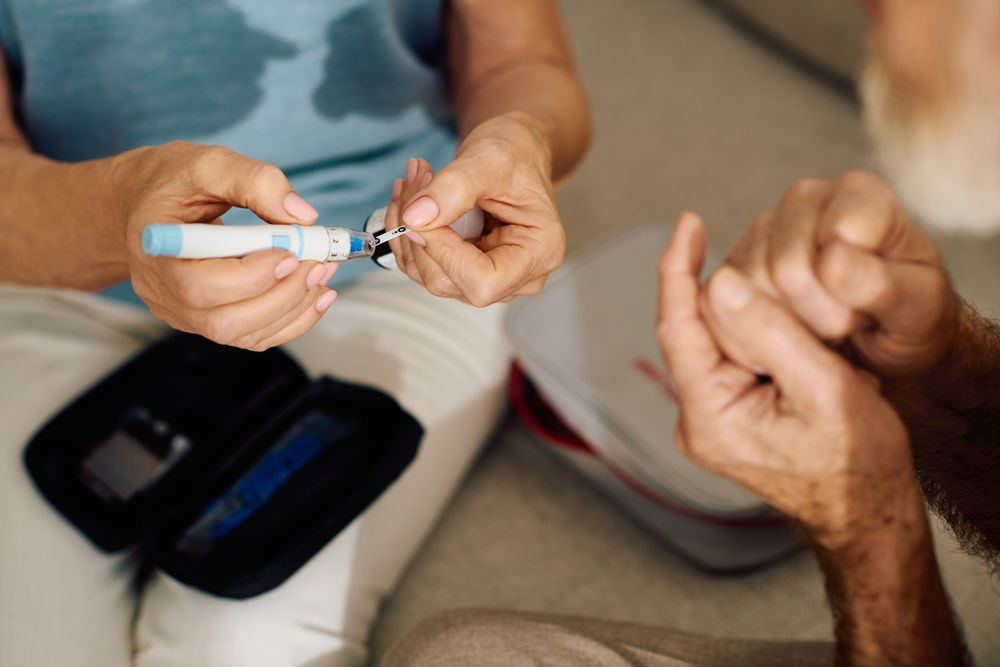
Diabetes Awareness Month: Is It Time to Check Your Risk?
November is Diabetes Awareness Month, a great reminder to take a proactive approach to your health. Diabetes is one of the most common chronic conditions affecting Canadians, and many people living with type 2 diabetes may not know they have it.
Type 2 diabetes can develop gradually, often without noticeable symptoms. That’s why screening is so important, particularly as we get older.
Why should you get screened?
Identifying prediabetes or type 2 diabetes early provides an opportunity to take action and reduce the risk of future complications affecting your heart, kidneys, eyes and nerves.
Adults aged 40 and older should generally be screened for type 2 diabetes at least every three years. However, screening may be recommended earlier or more frequently depending on individual risk factors.
Some risk factors are particularly relevant to women’s health, including:
- A history of gestational diabetes (diabetes during pregnancy).
- A history of delivering a baby weighing more than 9 lbs (4 kg).
- Polyendocrine Metabolic Ovarian Syndrome (PMOS), formally PCOS.
- Menopause and age-related changes in metabolic health.
Other risk factors include a family history of diabetes, high blood pressure, abnormal cholesterol levels, physical inactivity and abdominal obesity.
How can you assess your risk?
The Canadian Diabetes Risk Questionnaire (CANRISK) is a free online tool that estimates your risk of developing prediabetes or type 2 diabetes over the next 10 years.
It considers factors such as age, family history, physical activity, waist circumference and medical history.
Completing the questionnaire is a helpful starting point for a conversation with your healthcare provider and can help determine whether earlier screening is appropriate.
What bloodwork should you ask about?
Speak with your doctor, nurse practitioner or pharmacist about screening. Common tests include:
- A1C: Measures average blood glucose over approximately three months. Fasting is not required.
- Fasting blood glucose: Measures blood glucose after at least eight hours without food or caloric beverages.
- Oral glucose tolerance test (OGTT): Measures how your body responds to a glucose drink, including a blood glucose measurement two hours afterward.
Your healthcare provider can help determine which test is appropriate for you.
Support for your health at every stage
Whether you’re interested in preventing type 2 diabetes, have been diagnosed with prediabetes, or are living with type 2 diabetes, you don’t have to navigate your health alone.
The Women’s Health Team at Coastal Sport & Wellness offers collaborative, multidisciplinary care through a team of nurse practitioners, naturopathic doctors, physiotherapists, chiropractors, massage therapists, registered dietitians, counsellors, acupuncturists and osteopathic manual practitioners.
Whether you’re looking to reduce your risk of type 2 diabetes, manage prediabetes or navigate an existing diagnosis, our team offers a variety of services to support your health and well-being at every stage of life.
You don’t need to wait for a diagnosis to start investing in your health.
This November, take the first step. Complete the CANRISK questionnaire, speak with your healthcare provider about screening and connect with the Women’s Health Team at Coastal Sport & Wellness to learn how we can support you.
Knowing your risk is the first step. Taking action is the next.
Natalie Perry, RDt