What Happens Between Training Sessions: Exploring Athletic Recovery IV Therapy in Bedford for Active Lifestyles
Recovery Begins When Training Ends
Athletic progress does not happen only during workouts, practices, or competitions because the body also needs time and resources to recover between demanding sessions. Every training session places stress on muscles, connective tissues, energy systems, and the nervous system, making recovery an essential part of maintaining an active lifestyle. Athletes who understand what happens between training sessions can make more informed decisions about hydration, nutrition, rest, mobility, and other recovery strategies. Athletic recovery IV therapy in Bedford is one option that some active individuals explore as part of a broader recovery routine. At Coastal Sports And Wellness, we recognize that recovery needs can vary significantly depending on training volume, lifestyle, nutrition, sleep, and individual goals. Our approach is centered on helping people understand recovery strategies so they can make thoughtful decisions about their wellness and performance routines.
Why Recovery Matters for Active Lifestyles
Training creates a controlled form of physical stress that encourages the body to adapt and become stronger over time. However, those adaptations depend on adequate recovery because repeatedly stressing the body without sufficient rest can contribute to persistent fatigue and declining training quality. Recovery involves several interconnected processes, including replenishing fluids, restoring energy stores, supporting normal muscle function, and allowing the body to repair itself. Sleep and balanced nutrition remain foundational components of this process because they provide the conditions the body needs to recover naturally. Hydration is also important, particularly for individuals who participate in long workouts or activities that result in significant fluid loss through sweat. For active people in Bedford, understanding these fundamentals can help create a recovery routine that complements rather than replaces healthy daily habits.
Understanding Athletic Recovery IV Therapy
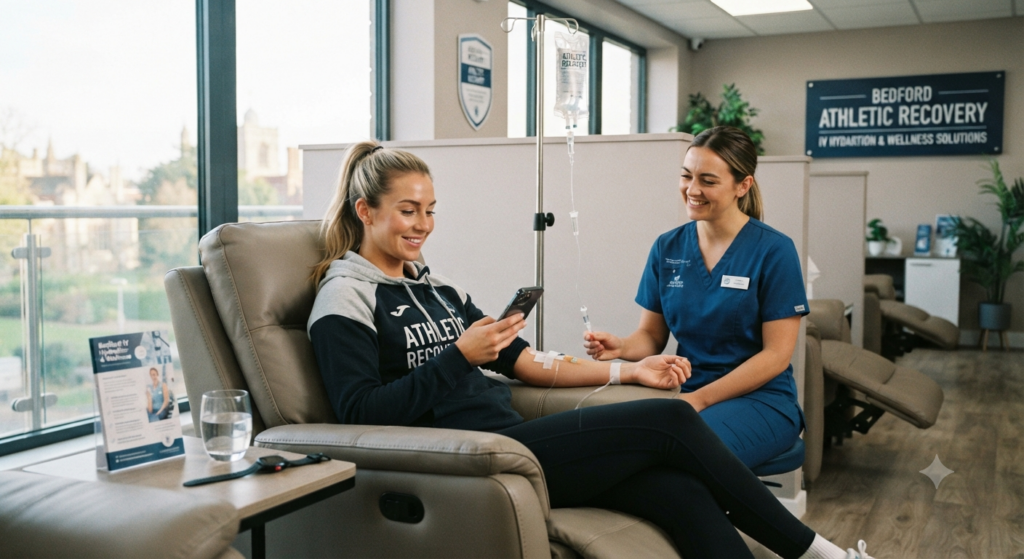
Athletic recovery IV therapy involves administering fluids and selected nutrients directly into a vein under appropriate clinical supervision. Because intravenous administration bypasses the digestive system, substances delivered through an IV enter the bloodstream directly. The specific formulation used can vary according to the clinical purpose, individual circumstances, and professional assessment. Some IV therapy protocols may focus primarily on hydration, while others may include nutrients such as certain vitamins and electrolytes when clinically appropriate. It is important to understand that IV therapy is not a substitute for sleep, food, training adjustments, or medical care when those interventions are needed. When considering athletic recovery IV therapy in Bedford, individuals should discuss their circumstances with a qualified healthcare professional to determine whether this type of service is appropriate for them.
The Connection Between Hydration and Recovery
Hydration is an important part of recovery because physical activity can increase fluid requirements, especially during prolonged or intense exercise. Sweat contains water and electrolytes, and substantial losses can affect how a person feels during the period following exercise. Drinking fluids and consuming an appropriate diet can often support normal hydration after training. In certain circumstances, professionally administered IV fluids may be considered when oral hydration is insufficient or when there is a clinical reason for intravenous treatment. The appropriate approach depends on factors such as the individual’s health status, activity level, environmental conditions, and degree of fluid loss. Our team at Coastal Sports And Wellness encourages active individuals to view hydration as one component of a much broader recovery strategy rather than as a standalone solution.
Supporting the Body Between Workouts
The period between workouts provides an opportunity to address the factors that influence how prepared the body feels for the next training session. Adequate protein and overall nutrition provide important building blocks for normal tissue maintenance and recovery. Carbohydrates can also help replenish energy stores after demanding activities, particularly for athletes training frequently. Sleep gives the body time to carry out numerous physiological processes associated with recovery and normal function. Mobility work, appropriate rest days, and sensible adjustments to training intensity can further support an individual’s ability to maintain a consistent routine. IV therapy may fit into this broader picture for selected individuals, but its role should be considered alongside these established recovery fundamentals.
When Active People Consider IV Recovery Support
Different people may seek recovery support for different reasons, and not every athlete has the same requirements between training sessions. Someone completing occasional recreational workouts may have very different recovery needs from an individual participating in high-volume endurance training or competitive sport. Travel, demanding work schedules, hot weather, and consecutive training sessions can also influence how a person approaches hydration and recovery. A healthcare professional can consider relevant factors before determining whether IV therapy is suitable. This individualized approach is important because more treatment is not automatically better treatment. At Coastal Sports And Wellness, we believe recovery decisions should be informed by individual circumstances rather than based solely on trends in athletic wellness.
Recovery Is More Than One Treatment
It can be tempting to look for a single intervention that promises to accelerate every aspect of recovery, but athletic recovery is considerably more complex. Muscles need appropriate nutrition and rest, while the body also depends on adequate hydration, quality sleep, and sensible training progression. Mental recovery can matter as well, particularly for people balancing intense exercise with demanding professional or personal responsibilities. A well-designed recovery routine should therefore address the entire lifestyle surrounding training rather than focusing on one service. IV therapy can potentially play a supportive role for appropriate candidates, but it should not be viewed as a replacement for the fundamentals of athletic recovery. Building consistent habits often provides a more sustainable foundation for staying active and maintaining training quality over time.
What to Consider Before IV Therapy
Anyone considering athletic recovery IV therapy should first consider whether there is an actual need for intravenous treatment. A qualified healthcare professional should review relevant health information, current symptoms, medications, allergies, and other factors that could influence treatment suitability. Individuals should also understand what ingredients are included in a proposed IV formulation and why each component is being administered. IV therapy involves inserting a needle into a vein, so it is not completely risk-free and should be performed by appropriately trained healthcare professionals in a suitable clinical environment. People experiencing unexplained severe fatigue, persistent weakness, dizziness, chest discomfort, shortness of breath, or other concerning symptoms should seek appropriate medical evaluation rather than assuming that recovery therapy is the answer. Taking this careful approach helps ensure that wellness services remain complementary to responsible healthcare.
Creating a Bedford Recovery Routine
For active individuals in Bedford, an effective recovery routine can begin with simple questions about training frequency, sleep quality, hydration habits, nutrition, and overall energy levels. Looking at these areas can help identify where adjustments may be more valuable than adding another recovery service. Someone who consistently sleeps too little may benefit from addressing their sleep schedule before relying on additional interventions. Likewise, an individual who regularly finishes training dehydrated may need to review their everyday fluid and electrolyte habits. Professional guidance can help determine where services such as IV therapy might appropriately fit into an individualized wellness plan. Our goal at Coastal Sports And Wellness is to help active people approach recovery thoughtfully, with attention to both immediate needs and sustainable long-term habits.
Preparing for the Next Training Session
Recovery ultimately has a practical purpose because it helps an active person prepare for what comes next. The quality of the recovery period can influence how an individual feels when returning to training, although performance depends on many factors beyond any single treatment. A balanced recovery plan can include appropriate nutrition, hydration, sleep, mobility, rest, and sensible progression of exercise. When clinically appropriate, IV therapy may be considered as one additional component of that overall plan. The most useful recovery strategy is generally one that fits consistently into an individual’s lifestyle and responds to their actual needs. By taking a comprehensive approach, active people can make recovery an intentional part of their training rather than something they consider only after exhaustion sets in.
A More Informed Approach to Athletic Recovery
Understanding what happens between training sessions can change the way active individuals think about performance because recovery is not simply time away from exercise. It is a period in which the body works to restore balance and adapt to the demands placed upon it. Athletic recovery IV therapy in Bedford may be worth discussing with a qualified healthcare professional for individuals who are seeking additional hydration or nutrient support and are appropriate candidates for intravenous treatment. However, the foundation of recovery remains consistent attention to sleep, nutrition, hydration, training management, and overall wellness. At Coastal Sports And Wellness, we take a comprehensive perspective that recognizes the individual behind the training schedule and the different factors that shape recovery. With informed guidance and sustainable habits, recovery can become an intentional part of an active lifestyle and help individuals approach their next session with greater confidence in their overall wellness routine.