Low Level Laser Therapy for Arthritis: What Halifax Patients Should Know
Understanding Arthritis and Its Everyday Impact
Arthritis is one of the most common conditions affecting people of all ages, although it becomes increasingly prevalent as individuals grow older. It often causes persistent joint pain, stiffness, swelling, and reduced mobility that can make everyday activities more difficult than they should be. Simple tasks such as walking, climbing stairs, opening jars, or getting out of bed in the morning may become frustrating challenges when arthritis symptoms are left unmanaged. While medications can help relieve discomfort, many people also look for noninvasive treatment options that address pain without increasing their dependence on medication. Understanding the available therapies allows patients to make informed decisions about their health. At Coastal Sports And Wellness, we believe education is an important part of helping every patient choose the most appropriate treatment for their individual needs.
What Is Low Level Laser Therapy?
Low Level Laser Therapy, often referred to as LLLT or cold laser therapy, is a noninvasive treatment that uses specific wavelengths of light to stimulate natural healing within the body’s tissues. Unlike surgical lasers, this therapy does not generate significant heat or damage surrounding tissues during treatment. Instead, the light energy penetrates beneath the skin and is absorbed by cells, encouraging biological processes that support tissue repair and reduce inflammation. The treatment is painless for most patients, with many describing the experience as simply relaxing while the laser device is applied over the affected joint. Sessions are typically short, making them convenient for individuals with busy schedules. As research into light based therapies continues to grow, more healthcare providers are incorporating this approach into comprehensive arthritis management plans.
How Arthritis Affects the Body
Arthritis is not a single disease but rather a group of conditions that involve inflammation or degeneration of the joints. Osteoarthritis develops as protective cartilage gradually wears away, while inflammatory conditions such as rheumatoid arthritis involve the immune system attacking healthy joint tissues. Regardless of the type, ongoing inflammation often contributes to pain, stiffness, and decreased flexibility that interfere with daily life. As symptoms worsen, surrounding muscles may also weaken because painful joints discourage normal movement and physical activity. Reduced mobility can eventually affect overall health by limiting exercise, balance, and independence. Early intervention and consistent treatment strategies can help slow functional decline while improving comfort and quality of life.
How Low Level Laser Therapy Works
Low Level Laser Therapy works by delivering concentrated light energy directly to the affected tissues where it interacts with cells at a microscopic level. The absorbed light stimulates cellular energy production, allowing cells to function more efficiently during the healing process. Increased cellular activity may contribute to improved circulation, reduced inflammation, and enhanced tissue repair around damaged joints. Researchers also believe the therapy influences chemical pathways involved in pain signaling, helping reduce discomfort without invasive procedures. Because the treatment encourages natural biological responses rather than masking symptoms alone, it can complement other rehabilitation techniques effectively. Many patients appreciate that the therapy supports healing without requiring downtime after each appointment.
Potential Benefits for Arthritis Patients
People living with arthritis often seek treatment options that provide meaningful pain relief while allowing them to remain active and independent. Low Level Laser Therapy may help decrease joint pain, improve flexibility, reduce inflammation, and support better movement over time. Some patients notice that morning stiffness becomes less severe, making it easier to begin daily activities with greater comfort. Improved circulation and reduced inflammation may also contribute to faster recovery following physical activity or rehabilitation exercises. While results vary depending on the severity of arthritis and individual health factors, many patients experience gradual improvements after completing a recommended series of treatments. These benefits are often enhanced when laser therapy is combined with exercise, manual therapy, and other evidence based rehabilitation approaches.
Conditions That May Respond to Laser Therapy
Although arthritis is a common reason people seek Low Level Laser Therapy, it is not the only condition that may benefit from this treatment. Individuals with knee arthritis, hip arthritis, shoulder arthritis, hand arthritis, and chronic neck or back joint pain may all be considered suitable candidates depending on their specific diagnosis. Soft tissue injuries that commonly occur alongside arthritis, including tendon irritation and muscle strain, may also respond positively to laser treatment. Since chronic joint conditions often involve several contributing factors, addressing inflammation in both joints and surrounding tissues may provide broader symptom relief. Every patient presents with a unique combination of symptoms, lifestyle demands, and medical history that should be carefully evaluated before beginning therapy. A thorough assessment helps determine whether laser therapy is likely to contribute meaningfully to the overall treatment plan.
What Patients Can Expect During Treatment
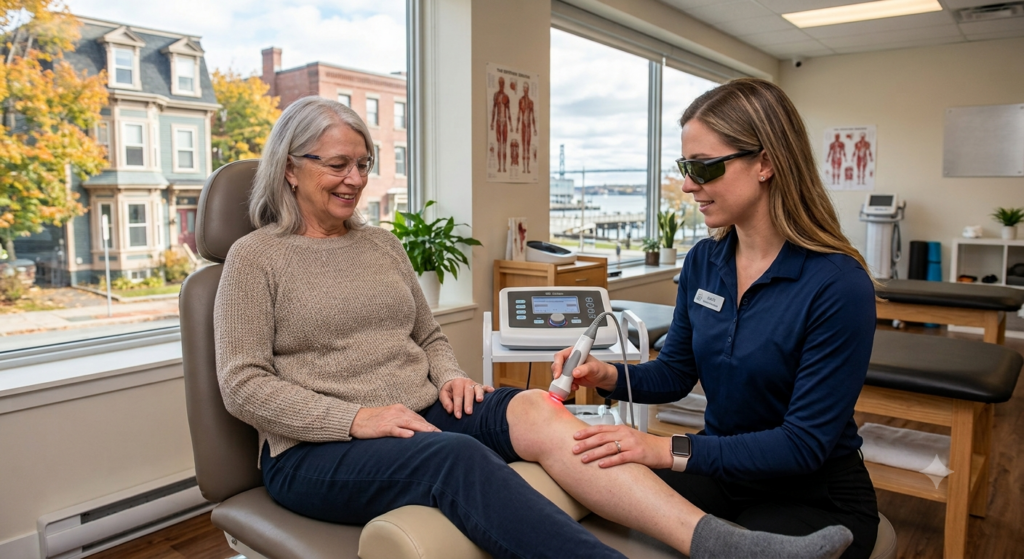
A Low Level Laser Therapy appointment usually begins with an assessment to identify the joints and surrounding tissues contributing most to pain and limited movement. During the treatment, a handheld laser device is placed over targeted areas while therapeutic light is delivered for a predetermined amount of time. Most patients experience no discomfort during the session, and many report feeling little more than gentle warmth or no sensation at all. Because the treatment is noninvasive, patients are generally able to return to work, exercise, or other daily activities immediately afterward. Depending on symptom severity and treatment goals, several sessions may be recommended to achieve optimal outcomes. Regular progress assessments help determine how the body is responding and whether adjustments should be made to the rehabilitation plan.
Combining Laser Therapy With Comprehensive Care
Managing arthritis effectively often requires more than a single treatment approach because pain, stiffness, weakness, and reduced mobility frequently occur together. Low Level Laser Therapy can work alongside physiotherapy, therapeutic exercise, manual therapy, education, and lifestyle modifications to create a more comprehensive rehabilitation strategy. Strengthening muscles around affected joints improves stability, while flexibility exercises help maintain healthy movement patterns. Education about posture, activity modification, and joint protection techniques can also reduce unnecessary stress on painful joints during everyday activities. Combining multiple evidence based therapies often produces better long term outcomes than relying on one intervention alone. This integrated approach allows patients to address both current symptoms and the underlying factors contributing to ongoing discomfort.
Who May Be a Good Candidate?
Many individuals with mild to moderate arthritis are interested in noninvasive therapies that may help reduce pain without surgery or increased medication use. Low Level Laser Therapy may be considered for patients experiencing chronic joint pain, stiffness, inflammation, or reduced function that affects their daily lives. People recovering from arthritis flare ups or those participating in rehabilitation after orthopedic procedures may also benefit as part of a broader treatment program. However, treatment recommendations should always be based on a thorough clinical evaluation that considers medical history, current symptoms, and overall health. Certain medical conditions or circumstances may require alternative treatment approaches or additional precautions before beginning laser therapy. Individualized assessment ensures that every patient receives care that is both safe and appropriate for their specific situation.
Supporting Long Term Joint Health
While Low Level Laser Therapy may help relieve arthritis symptoms, maintaining long term joint health also depends on consistent healthy habits. Regular physical activity keeps joints mobile while strengthening the muscles that support them during everyday movement. Maintaining a healthy body weight reduces unnecessary stress on weight bearing joints such as the knees, hips, and ankles. Proper nutrition, adequate hydration, and sufficient sleep all contribute to the body’s ability to recover and manage chronic inflammation more effectively. Learning safe movement patterns and avoiding repetitive joint strain can further reduce discomfort over time. Long term success is often achieved through a combination of professional treatment, self management strategies, and ongoing commitment to healthy lifestyle choices.
Helping Halifax Patients Move With Greater Confidence
Living with arthritis does not necessarily mean accepting constant pain or giving up the activities that matter most. Modern rehabilitation techniques, including Low Level Laser Therapy, offer promising options for managing symptoms while supporting improved function and mobility. Every individual responds differently to treatment, which is why personalized assessments remain essential when developing an effective care plan. Understanding the causes of pain, identifying contributing factors, and selecting appropriate therapies can make a meaningful difference in long term joint health. At Coastal Sports And Wellness, we work closely with patients to create individualized treatment plans that reflect their goals, lifestyle, and overall health needs. Through compassionate care, evidence based rehabilitation, and ongoing support, Coastal Sports And Wellness is committed to helping Halifax patients pursue greater comfort, improved movement, and a better quality of life.