Beyond Energy: When Pain Patterns Tell a Bigger Story: How Naturopathic Care in Bedford Explores the Whole-Body Connection
Understanding Pain Beyond the Surface
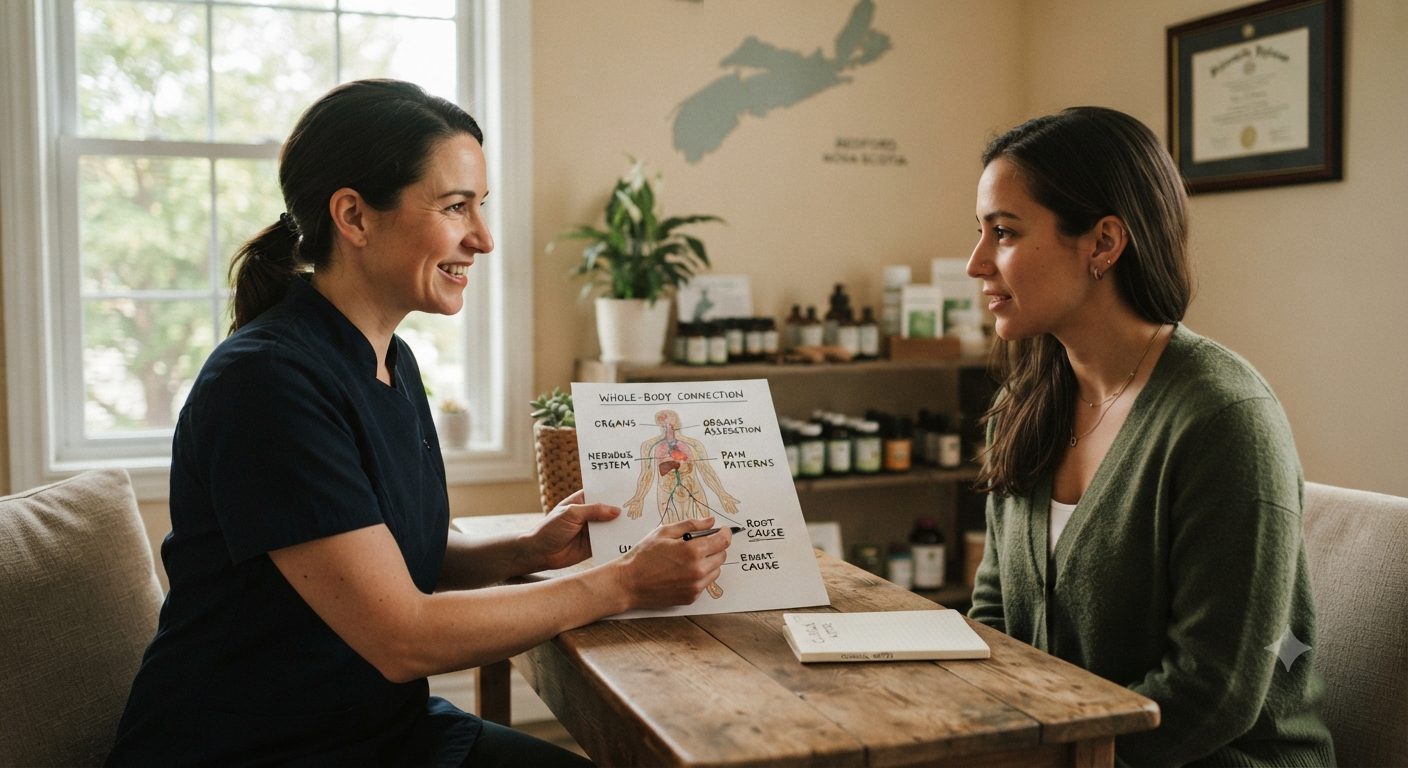
Pain is often treated as an isolated problem, especially when it appears in a familiar area such as the lower back, shoulders, knees, or neck. Yet recurring pain can sometimes reflect a much broader pattern involving movement, sleep, nutrition, stress, inflammation, recovery, and everyday habits. When discomfort continues despite temporary relief, looking only at the painful area may not provide the complete picture. At Coastal Sports And Wellness, we take a whole-body perspective when exploring persistent or recurring pain patterns in Bedford. Our approach considers how different aspects of physical and lifestyle health may interact with one another. This broader perspective can help people better understand why pain develops, what may be contributing to it, and how sustainable wellness strategies can support their overall goals.
Why Pain Patterns Matter
The location of pain can provide useful information, but the pattern surrounding that pain can be equally important. For example, discomfort that repeatedly appears after certain activities may be connected to movement mechanics, recovery habits, workload, or insufficient support for the body’s demands. Pain that changes with sleep quality, stress, diet, or physical activity can also suggest that several factors deserve consideration rather than focusing on one symptom alone. Naturopathic care looks at these relationships to develop a more comprehensive understanding of an individual’s health. Instead of assuming every person with similar pain needs the same approach, practitioners can consider personal history, lifestyle factors, daily routines, and wellness objectives. This individualized perspective can make the process of understanding persistent discomfort more thoughtful and comprehensive.
The Connection Between Movement and Whole-Body Function
The body operates as an interconnected movement system rather than a collection of independent parts. A restriction or weakness in one region can influence how another area moves, particularly during repetitive activities or exercise. Changes in posture, mobility, strength, balance, and movement patterns may gradually contribute to stress being placed on areas that were not originally causing concern. This is one reason why examining movement habits can be valuable when someone experiences recurring discomfort. Our naturopathic approach can consider physical activity alongside other lifestyle factors when exploring potential contributors to a person’s pain experience. Understanding these connections may encourage more informed decisions about exercise, recovery, mobility, and daily physical habits.
Stress Can Influence How the Body Experiences Pain
Physical discomfort does not exist separately from emotional and psychological experiences. Ongoing stress can affect sleep, muscle tension, energy levels, recovery habits, and the way a person responds to physical demands. When the nervous system remains under prolonged pressure, everyday sensations can sometimes feel more difficult to manage, particularly when combined with inadequate rest or high activity levels. This does not mean pain is simply caused by stress, because physical conditions and injuries can have many different causes. Instead, stress can be one component of a larger picture that deserves attention when evaluating recurring symptoms. Looking at stress management as part of whole-body wellness may therefore provide another useful dimension when developing a personalized health strategy.
Sleep and Recovery Deserve a Closer Look
Recovery is an essential part of maintaining physical function, particularly for people who exercise regularly or have demanding daily routines. Sleep provides the body with important opportunities to recover from physical and mental demands, while insufficient or inconsistent sleep can affect energy, concentration, exercise performance, and overall resilience. Someone experiencing recurring pain may focus primarily on what they do during the day while overlooking what happens during the hours dedicated to recovery. Examining sleep schedules, nighttime routines, activity levels, and recovery practices can help identify areas that may be worth improving. We encourage a broader consideration of recovery because physical progress is not determined solely by workouts, treatments, or daily activity. Consistent recovery habits can be an important part of supporting long-term wellness and maintaining the body’s ability to handle everyday demands.
Nutrition as Part of the Bigger Picture
Nutrition is another area that can influence how people feel, recover, and perform throughout the day. The body’s nutritional requirements can vary according to activity level, age, lifestyle, individual circumstances, and overall health goals. Inadequate dietary variety or inconsistent eating patterns may affect energy availability and the ability to support demanding physical routines. Naturopathic care can consider nutritional habits alongside other aspects of an individual’s lifestyle rather than treating nutrition as an entirely separate subject. This approach can help identify practical opportunities to build more supportive eating patterns based on individual needs. Nutrition should not be viewed as a universal solution for pain, but it can form one part of a broader strategy for supporting overall health and recovery.
Looking at Inflammation Through a Broader Lens
Inflammation is a normal biological process that plays an important role in the body’s response to injury and other challenges. However, discussions about inflammation can become overly simplistic when every symptom is attributed to one underlying cause. Pain may involve numerous factors, including tissue irritation, mechanical stress, previous injuries, nervous system responses, and other health considerations. A comprehensive assessment can help place inflammation within the wider context of the individual’s symptoms and lifestyle. Rather than focusing on a single explanation, our approach considers the complete pattern and encourages appropriate evaluation when symptoms require additional medical attention. This can provide a more balanced foundation for understanding discomfort and determining appropriate next steps.
The Importance of Individual Health History
Two people can experience pain in the same part of the body while having very different contributing factors. One person may have developed symptoms following a change in physical activity, while another may experience recurring discomfort alongside poor sleep, prolonged sitting, or an established movement limitation. Previous injuries, occupational demands, exercise routines, dietary patterns, and personal wellness goals can all provide meaningful context. Naturopathic care places value on understanding this individual history rather than relying exclusively on a symptom label. At Coastal Sports And Wellness, we use this broader context to help guide conversations about wellness and potential contributing factors. The goal is not to reduce a complex experience to one explanation, but to develop a clearer understanding of the individual as a whole.
Chronic Pain Requires Patience and Perspective
Persistent pain can affect more than physical comfort. It may influence confidence, exercise habits, productivity, sleep, social activities, and willingness to participate in things a person previously enjoyed. When symptoms continue over time, it can become frustrating to repeatedly seek short-term solutions without understanding the broader pattern. A whole-body approach encourages patience because meaningful changes in lifestyle, movement, recovery, and wellness habits can require consistency. It also recognizes that persistent pain should not automatically be assumed to have one simple cause or one universal solution. When appropriate, naturopathic care can work alongside conventional healthcare and other qualified professionals to support a more coordinated approach to ongoing health concerns.
Bedford Wellness With a Whole-Body Perspective
People in Bedford have different routines, occupations, activity levels, fitness goals, and health priorities, so their experiences with pain can be equally diverse. A person who spends most of the day at a desk may face different physical challenges from someone who works on their feet or trains regularly. Seasonal changes, recreational activities, commuting habits, family responsibilities, and exercise schedules can also influence daily physical demands. Exploring these details can help create a more realistic understanding of what may be affecting comfort and recovery. Our goal is to help individuals look beyond the immediate location of discomfort and consider the wider habits that shape their health. This whole-body perspective can be particularly valuable for people who want to understand their symptoms while developing sustainable wellness practices.
Building a More Complete Wellness Strategy
A comprehensive wellness strategy does not necessarily require dramatic changes all at once. Small adjustments to movement, sleep, nutrition, stress management, exercise programming, and recovery can become meaningful when they are consistent and appropriate for the individual. The first step is often understanding which areas may deserve closer attention and which habits are already supporting good health. Naturopathic care can provide a framework for discussing these factors together rather than viewing them as disconnected pieces. This can help people become more aware of relationships between their routines and how they feel throughout the day. Over time, that awareness may support better decisions about maintaining physical function, managing lifestyle demands, and pursuing personal wellness goals.
When Pain Is a Signal to Look Deeper
Pain is an important signal from the body, but interpreting that signal requires context. Recurring, unexplained, worsening, or severe pain should be appropriately assessed rather than dismissed or attributed to lifestyle factors without proper evaluation. Naturopathic care can be part of a broader wellness conversation, particularly when the goal is to explore lifestyle and whole-body factors that may influence how someone feels. It should complement appropriate medical assessment when symptoms indicate that further investigation is necessary. By looking at patterns involving movement, recovery, stress, sleep, nutrition, and daily demands, individuals may gain a more complete perspective on their health. Ultimately, understanding the bigger story behind pain can be an important step toward making informed and sustainable choices for long-term wellbeing.
A Whole-Body Approach to Better Understanding
Pain does not always tell its story through one symptom or one body part. The patterns surrounding discomfort can reveal important questions about how a person moves, rests, eats, manages stress, exercises, and recovers. Exploring those relationships can create a more comprehensive foundation for individualized wellness planning. At Coastal Sports And Wellness, we believe that understanding the whole person is an important part of creating meaningful conversations about health and wellbeing. Our naturopathic perspective in Bedford focuses on exploring the broader context rather than reducing every pain experience to a single factor. When pain patterns tell a bigger story, taking time to understand that story can help individuals make more informed choices about their health journey.