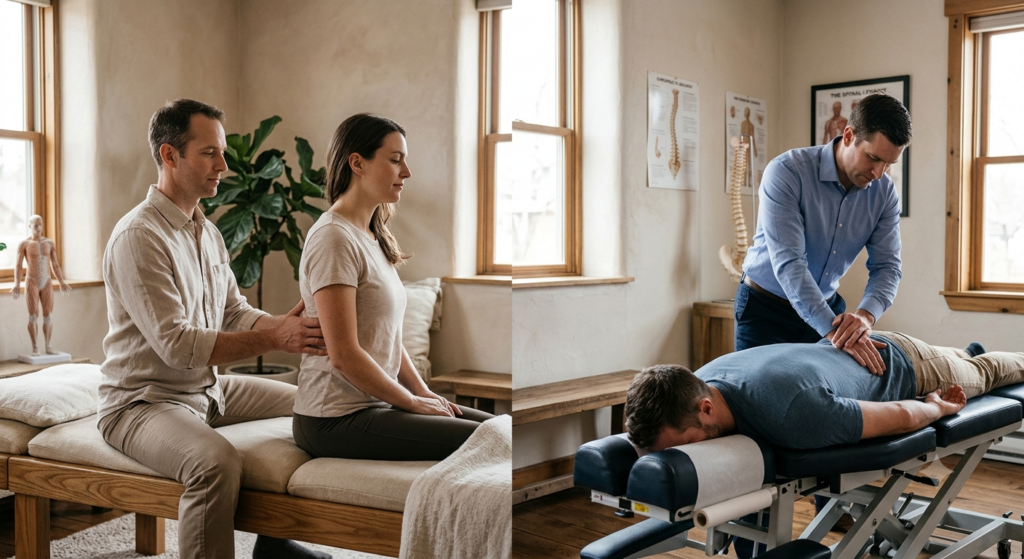
Osteopathic Therapy vs Chiropractic Adjustments: Understanding the Difference
Why Understanding Manual Therapy Matters
When people experience ongoing pain, stiffness, or limited mobility, they often look for treatment options that go beyond medication or surgery. Two of the most recognized hands on therapies are osteopathic therapy and chiropractic adjustments. Although these approaches share some similarities, they are based on different philosophies and treatment methods. Many people assume they are the same because both involve manual techniques that improve movement and reduce discomfort. In reality, each focuses on different aspects of health and may be better suited for different conditions. At Coastal Sports And Wellness, we believe that understanding these differences helps patients make informed decisions about their care and long term recovery.
What Is Osteopathic Therapy?
Osteopathic therapy is a holistic form of healthcare that focuses on how the body’s muscles, joints, connective tissues, nerves, and circulation work together. Rather than concentrating on one painful area, osteopathic practitioners evaluate the entire body to identify movement restrictions and functional imbalances. Treatment involves gentle manual techniques that encourage the body’s natural healing processes while improving mobility and reducing tension. Osteopathic therapy recognizes that poor movement in one part of the body can influence other areas, creating pain or dysfunction elsewhere. Sessions are often customized based on a person’s posture, lifestyle, medical history, and overall physical condition. The goal is not simply to relieve symptoms but also to restore balanced movement and improve overall function.
What Are Chiropractic Adjustments?
Chiropractic adjustments primarily focus on the alignment and movement of the spine and its relationship with the nervous system. Chiropractors use controlled, precise forces to restore movement in joints that have become restricted or misaligned. These adjustments are commonly associated with the characteristic popping sound that occurs when pressure changes within the joint. Chiropractic care is frequently sought for neck pain, back pain, headaches, and spinal mobility issues. While spinal adjustments are the foundation of chiropractic treatment, many chiropractors also incorporate soft tissue therapy, rehabilitation exercises, and posture education into their treatment plans. The overall objective is to improve joint function, reduce nerve irritation, and support the body’s ability to move efficiently.
The Difference in Treatment Philosophy
One of the biggest differences between osteopathic therapy and chiropractic adjustments lies in their overall treatment philosophy. Osteopathic therapy views the body as a complete interconnected system where muscles, joints, fascia, circulation, and internal function all influence one another. Treatment often extends beyond the painful area to identify underlying movement patterns that contribute to discomfort. Chiropractic care traditionally places greater emphasis on spinal health and how proper spinal movement supports nervous system function. While modern chiropractic practice has expanded considerably, spinal assessment remains a central part of care for many patients. Both approaches aim to improve health naturally, but they often arrive at that goal through different methods and clinical perspectives.
Hands On Techniques Used During Treatment
Although both therapies involve manual treatment, the techniques themselves often differ significantly. Osteopathic therapy frequently includes gentle joint mobilization, muscle stretching, soft tissue release, myofascial techniques, and movement based corrections that gradually restore normal function. The pressure applied is often moderate and tailored to the patient’s comfort level. Chiropractic adjustments usually involve quick, controlled thrusts directed at specific joints to improve mobility and restore proper joint mechanics. These adjustments are highly precise and typically focus on restoring movement where restrictions exist. Depending on the individual’s condition, both approaches may also include exercise recommendations and education that support long term recovery.
Conditions Commonly Treated with Osteopathic Therapy
Osteopathic therapy is widely used to address a broad range of musculoskeletal conditions affecting people of different ages and activity levels. It may benefit individuals experiencing chronic back pain, neck stiffness, shoulder discomfort, sports injuries, repetitive strain injuries, joint pain, and postural imbalances. Many people also seek osteopathic treatment for reduced flexibility, pregnancy related discomfort, recovery after surgery, and age related mobility challenges. Because treatment focuses on improving whole body movement, it can also help reduce compensatory patterns that contribute to recurring pain. The gentle nature of many osteopathic techniques makes them suitable for patients who may not tolerate more forceful interventions. Individual treatment plans are always adjusted according to personal health needs and recovery goals.
Conditions Commonly Treated with Chiropractic Care
Chiropractic care is frequently recommended for spinal conditions that affect everyday movement and comfort. Many patients seek chiropractic adjustments for lower back pain, neck pain, sciatica, tension headaches, migraines related to neck dysfunction, and restricted spinal movement. Athletes often use chiropractic care to maintain spinal mobility and support physical performance during training and competition. Some patients also benefit from chiropractic management following minor joint injuries or repetitive workplace strain. The emphasis on restoring spinal mechanics can contribute to improved movement and reduced discomfort in many individuals. As with any healthcare treatment, outcomes depend on accurate diagnosis, appropriate care planning, and patient participation in rehabilitation.
Which Treatment Is More Gentle?
Many patients wonder whether osteopathic therapy is gentler than chiropractic adjustments. In many cases, osteopathic techniques involve slower and more gradual movements that place less force on the joints. This can make osteopathic therapy appealing for older adults, individuals recovering from surgery, or those experiencing significant pain sensitivity. Chiropractic adjustments often involve faster corrective movements that restore joint mobility within a very short period. Despite these differences, modern chiropractors carefully evaluate each patient and modify treatment techniques according to individual comfort and safety requirements. Both therapies can be delivered using gentle approaches when clinically appropriate and when tailored to the patient’s specific condition.
Can These Therapies Complement Each Other?
Rather than viewing osteopathic therapy and chiropractic care as competing treatments, many healthcare professionals recognize that they may complement one another depending on the patient’s needs. Someone recovering from a sports injury may benefit from soft tissue work and movement restoration through osteopathic therapy while also receiving chiropractic care to improve spinal mobility. Combining manual therapy with strengthening exercises, mobility training, and education often produces better long term outcomes than relying on one treatment alone. Collaborative care allows practitioners to address multiple factors contributing to pain and movement limitations. Patients also gain a broader understanding of how lifestyle, posture, strength, and movement habits influence recovery. An integrated treatment strategy can support both immediate symptom relief and lasting functional improvement.
Choosing the Right Therapy for Your Needs
Selecting between osteopathic therapy and chiropractic adjustments depends on several factors, including your symptoms, medical history, activity level, and personal treatment preferences. A thorough assessment is essential because two people with similar symptoms may require completely different treatment approaches. The most effective care focuses on identifying the root cause of pain rather than simply treating the symptoms that appear on the surface. Education, movement correction, exercise, and ongoing support all play important roles in achieving lasting recovery. Understanding the strengths of each therapy allows patients to participate more confidently in their healthcare decisions. Coastal Sports And Wellness works closely with every patient to develop personalized treatment plans that support healthier movement, pain reduction, and improved quality of life.
Final Thoughts
Choosing between osteopathic therapy and chiropractic adjustments should never be based solely on popularity or personal recommendations. Every individual has unique movement patterns, physical demands, health history, and recovery goals that deserve careful evaluation. Both therapies have valuable roles in modern musculoskeletal healthcare and can provide meaningful improvements when used appropriately. The best outcomes often come from a comprehensive assessment followed by an individualized treatment strategy that addresses the true source of discomfort. Open communication with qualified healthcare professionals ensures that treatment remains safe, effective, and aligned with long term wellness objectives. At Coastal Sports And Wellness, our commitment is to help every patient move with greater confidence, recover more effectively, and maintain an active lifestyle through evidence informed, patient centered care.