Recognising the Early Signs of Emotional and Physical Burnout Before They Affect Everyday Life
Understanding Burnout and Why Early Recognition Matters
Modern life often involves balancing professional responsibilities, family commitments, personal relationships, and individual expectations. While staying productive and meeting daily responsibilities can feel rewarding, constantly pushing ourselves without allowing enough time for recovery can gradually affect our physical and emotional well-being. This prolonged state of exhaustion is commonly known as burnout, and it can develop when ongoing stress becomes difficult to manage. Burnout does not always appear suddenly or make everyday activities impossible overnight. Instead, it often develops through small changes in energy levels, emotional responses, concentration, motivation, and physical health. At Coastal Sports And Wellness, we recognise the importance of understanding these early changes so individuals can take meaningful steps towards restoring balance before burnout begins interfering with their everyday lives.
What Is Emotional and Physical Burnout?
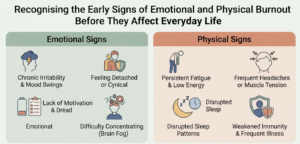
Burnout is a state of physical, mental, and emotional exhaustion that can develop after experiencing prolonged or unmanaged stress. Although it is frequently associated with demanding workplaces, burnout can also affect people managing family responsibilities, caregiving duties, personal challenges, and other ongoing pressures. Emotional burnout often involves feeling mentally drained, disconnected, irritable, or unable to cope with situations that previously seemed manageable. Physical burnout, on the other hand, can involve persistent tiredness, muscle tension, headaches, sleep disturbances, and reduced physical energy. These experiences can overlap, making it difficult to distinguish where emotional exhaustion ends and physical fatigue begins. Understanding that both aspects of well-being are connected is an important first step towards recognising when stress is becoming more than an occasional challenge.
Persistent Tiredness That Does Not Improve With Rest
One of the earliest signs of burnout is feeling consistently tired, even after getting what should be an adequate amount of sleep. You may wake up feeling exhausted, struggle to get through your morning routine, or find that ordinary responsibilities require considerably more effort than before. This type of fatigue can gradually affect your ability to concentrate, remain physically active, and maintain your usual productivity throughout the day. Some individuals also experience an afternoon energy crash that makes it difficult to complete tasks or participate in activities they previously enjoyed. Although occasional tiredness is a normal part of life, persistent exhaustion that does not improve with rest deserves attention. Recognising this pattern early can encourage individuals to reassess their routines, identify possible sources of ongoing stress, and seek professional advice when necessary.
Increased Irritability and Emotional Sensitivity
Emotional changes are another important indication that someone may be approaching burnout. You might notice yourself becoming frustrated over minor inconveniences, reacting more strongly to everyday conversations, or feeling overwhelmed by situations that previously seemed manageable. Patience can become increasingly difficult to maintain, particularly when dealing with work responsibilities, family expectations, or unexpected changes in routine. Some people experience frequent mood fluctuations, while others feel emotionally numb or disconnected from the people around them. These changes can gradually affect personal relationships and make ordinary social interactions feel exhausting. Paying attention to unusual emotional responses can help individuals recognise that their mental and emotional resources may be stretched too thin.
Difficulty Concentrating and Making Everyday Decisions
When the mind is under prolonged stress, cognitive functioning can also be affected. Individuals experiencing early burnout may struggle to concentrate, remember important information, organise their thoughts, or complete tasks that previously required little effort. Even straightforward decisions can begin to feel overwhelming, leading to procrastination or unnecessary frustration. You might find yourself repeatedly reading the same information, forgetting appointments, or having difficulty prioritising responsibilities. These concentration difficulties can affect professional performance and create additional pressure when tasks begin accumulating. Rather than automatically assuming that reduced productivity is a lack of motivation, it is important to consider whether ongoing mental exhaustion is contributing to the problem.
Changes in Sleep Patterns and Sleep Quality
Sleep plays an essential role in physical recovery, emotional regulation, and overall health. However, prolonged stress can interfere with the body’s natural sleep patterns, making it harder to fall asleep, stay asleep, or wake up feeling refreshed. Some individuals find themselves lying awake with racing thoughts about responsibilities, unfinished tasks, or future concerns. Others may sleep considerably longer than usual but continue experiencing fatigue throughout the day. Poor sleep can also contribute to increased irritability, reduced concentration, and lower energy levels, creating a cycle that makes burnout more difficult to manage. Establishing a consistent bedtime routine, reducing stimulating activities before sleep, and allowing sufficient time for relaxation can support healthier sleep habits.
Physical Discomfort, Muscle Tension, and Frequent Headaches
Burnout is not limited to emotional experiences because prolonged stress can also affect how the body feels and functions. Some individuals notice persistent tightness in their shoulders, neck, or back, particularly when they spend long hours working or managing demanding responsibilities. Others experience recurring headaches, digestive discomfort, changes in appetite, or unexplained physical tension. These symptoms may become more noticeable during particularly stressful periods or when there is little opportunity for recovery. It is important not to automatically attribute ongoing physical discomfort to burnout, as these symptoms can have several underlying causes that require medical assessment. Listening to physical warning signs and seeking appropriate healthcare advice can help prevent potentially treatable concerns from being overlooked.
Losing Interest in Activities You Previously Enjoyed
Another early warning sign of burnout is gradually losing interest in activities that once brought happiness, relaxation, or a sense of achievement. You might begin avoiding hobbies, social gatherings, exercise sessions, or opportunities to spend time with friends and family. Activities that previously helped you recharge may start feeling like additional responsibilities rather than enjoyable experiences. Some individuals also experience a reduced sense of accomplishment, even after completing important personal or professional goals. Over time, this loss of interest can contribute to social withdrawal and a feeling of disconnection from everyday life. Recognising these changes can encourage individuals to reconsider how they allocate their time and make room for activities that support emotional well-being.
Reduced Physical Performance and Motivation
Physical burnout can become particularly noticeable when everyday movement and exercise begin feeling unusually difficult. You may experience reduced stamina, slower recovery after physical activity, increased muscle fatigue, or less motivation to maintain your usual fitness routine. Even activities such as walking, climbing stairs, or completing household responsibilities can feel more demanding than before. For individuals who regularly participate in sports or structured exercise, these changes may appear as declining performance or difficulty maintaining their normal training intensity. Continuing to push through exhaustion without adequate recovery can increase the risk of overtraining and certain physical injuries. Adjusting exercise intensity, allowing appropriate recovery time, and paying attention to the body’s signals can help support a healthier relationship with physical activity.
Withdrawing From Social Interactions and Personal Relationships
Emotional exhaustion can gradually change the way individuals interact with other people. Conversations may feel demanding, social invitations may become less appealing, and maintaining regular contact with friends or family can start requiring more energy than usual. Some people withdraw because they feel overwhelmed, while others may struggle to explain what they are experiencing. This withdrawal can unintentionally create misunderstandings or emotional distance in otherwise supportive relationships. Having meaningful connections is an important part of overall well-being, particularly during periods of prolonged stress. Making time for supportive conversations and communicating personal boundaries can help individuals maintain valuable relationships without feeling pressured to meet every social expectation.
Understanding the Difference Between Everyday Stress and Burnout
Stress and burnout are closely related, but they are not exactly the same experience. Stress often involves feeling under pressure because of specific demands, deadlines, or responsibilities, and these feelings may improve when the situation becomes more manageable. Burnout generally involves a more persistent state of exhaustion that can affect motivation, emotional resilience, and the ability to manage everyday activities. Someone experiencing stress may feel that completing their responsibilities will eventually bring relief, whereas someone experiencing burnout may struggle to find satisfaction or energy even after accomplishing important tasks. The distinction is not always straightforward, and ongoing symptoms should not be self-diagnosed without considering other possible explanations. Understanding these differences can help individuals recognise when ordinary lifestyle adjustments may be insufficient and additional professional support could be beneficial.
Practical Ways to Prevent Burnout From Affecting Everyday Life
Preventing burnout begins with recognising personal limits and making realistic adjustments before exhaustion becomes overwhelming. Establishing a healthier balance between work, physical activity, relationships, and relaxation can help reduce the pressure associated with demanding routines. Taking regular breaks throughout the day allows the mind and body to recover rather than remaining continuously engaged in stressful activities. Maintaining consistent sleep habits, eating balanced meals, staying hydrated, and participating in suitable physical activity can also support overall health. It is equally important to establish boundaries around professional and personal responsibilities, particularly when commitments begin affecting recovery time. Small, consistent changes can make a meaningful difference when they are incorporated into everyday routines and supported by an awareness of individual needs.
The Role of Physical Activity and Recovery in Managing Burnout
Appropriate physical activity can support emotional well-being, improve general fitness, and provide a constructive way to manage everyday stress. Activities such as walking, swimming, stretching, and moderate strength training may help individuals maintain movement without placing unnecessary demands on an already exhausted body. However, exercise should be approached according to individual fitness levels, energy, and recovery requirements. When someone is experiencing significant fatigue, intense training sessions may not be the most appropriate starting point. Rest days, mobility exercises, gentle movement, and gradual adjustments to training intensity can help support physical recovery. At Coastal Sports And Wellness, we believe that a balanced approach to physical wellness should consider not only exercise performance but also recovery, consistency, and the importance of listening to the body.
When Should You Seek Professional Support?
Although lifestyle adjustments can help address everyday stress, persistent symptoms of emotional or physical exhaustion should not be ignored. If fatigue, sleep disturbances, concentration difficulties, anxiety, low mood, or physical discomfort continue affecting your daily routine, speaking with an appropriate healthcare professional can help identify possible underlying causes. A medical assessment may be necessary to rule out other conditions that can produce similar symptoms. Mental health professionals can also provide guidance on managing prolonged stress, developing healthier coping strategies, and addressing emotional challenges. If symptoms become severe, interfere significantly with daily functioning, or include thoughts of self-harm, prompt professional support is particularly important. Seeking help is a proactive step towards protecting your health rather than something that should only happen when everyday life becomes unmanageable.
Building Sustainable Habits for Long-Term Physical and Emotional Wellness
Long-term well-being requires more than occasional breaks or temporary changes to an otherwise demanding routine. It involves developing sustainable habits that support physical recovery, emotional resilience, and a healthier approach to everyday responsibilities. Individuals can begin by identifying the situations that contribute most to their stress and considering which commitments can be adjusted or delegated. Creating realistic daily schedules, making time for enjoyable activities, and maintaining supportive relationships can help establish a more manageable routine. Regular physical activity should complement recovery rather than become another source of pressure or unrealistic expectations. By paying attention to early warning signs and making consistent adjustments, individuals can build healthier routines that support their overall quality of life.
Take the First Step Towards a Healthier Balance
Recognising the early signs of emotional and physical burnout is essential for maintaining long-term well-being. Persistent tiredness, increased irritability, difficulty concentrating, disrupted sleep, physical discomfort, and reduced interest in enjoyable activities can all indicate that your current routine may need attention. These changes should not automatically be dismissed as a normal consequence of having a busy lifestyle. Taking time to understand your body’s signals, establish healthier boundaries, prioritise recovery, and seek professional guidance when necessary can help prevent ongoing exhaustion from becoming more disruptive. At Coastal Sports And Wellness, we encourage a balanced approach to health that recognises the connection between physical activity, recovery, and emotional well-being. If you have been feeling consistently exhausted or struggling to maintain your usual routine, take the first step towards understanding your needs and making positive changes that support a healthier, more sustainable lifestyle.