When Should You Visit a Shockwave Therapist in Bedford Instead of Choosing Surgery?
When Should You Visit a Shockwave Therapist in Bedford Instead of Choosing Surgery?
Pain and limited mobility can make even the simplest daily activities feel challenging. Whether you are an athlete dealing with a sports injury or someone struggling with a long standing tendon problem, it is natural to wonder if surgery is the only solution. Fortunately, advances in non invasive treatments have created effective alternatives for many musculoskeletal conditions. Shockwave therapy has become one of the most trusted options for helping patients recover while avoiding the risks and lengthy recovery associated with surgical procedures.
At Coastal Sports And Wellness, we believe every patient deserves to understand all available treatment options before considering surgery. In many cases, shockwave therapy offers a safe, evidence based approach that encourages the body’s natural healing process and helps patients regain their quality of life.
Understanding Shockwave Therapy
Shockwave therapy is a non surgical treatment that uses high energy acoustic waves to stimulate healing in damaged tissues. These sound waves are delivered directly to the injured area through a handheld device. The treatment encourages increased blood circulation, stimulates tissue repair, reduces chronic inflammation, and promotes the body’s natural regenerative processes.
Unlike surgery, shockwave therapy does not involve incisions, anesthesia, or hospital stays. Most treatment sessions are completed within a short appointment, allowing patients to return to many of their regular activities the same day.
Why Surgery Is Not Always the First Option
Surgery is sometimes necessary for severe injuries, complete tendon ruptures, advanced joint damage, or conditions that fail to respond to conservative treatment. However, many chronic tendon and soft tissue problems can improve significantly without an operation.
Surgery often comes with several considerations, including recovery time, rehabilitation, potential complications, and time away from work or recreational activities. Before reaching that stage, many healthcare providers recommend exploring conservative treatments that may resolve the issue naturally.
Shockwave therapy has become one of the leading options because it addresses the source of chronic pain rather than simply masking symptoms.
Conditions That Often Respond Well to Shockwave Therapy
Shockwave therapy has shown positive results for a wide range of chronic musculoskeletal conditions.
One of the most common reasons patients seek treatment is plantar fasciitis. Persistent heel pain that has not improved with stretching, supportive footwear, or physiotherapy often responds well to shockwave therapy by stimulating healing within the damaged plantar fascia.
Achilles tendinopathy is another condition that frequently benefits from treatment. Chronic pain and stiffness in the Achilles tendon can become difficult to manage through exercise alone. Shockwave therapy helps improve tissue quality while reducing discomfort.
Tennis elbow and golfer’s elbow are also common problems treated successfully with this approach. Repetitive strain injuries affecting the tendons around the elbow often improve when the body’s healing response is stimulated.
Patients experiencing shoulder pain due to calcific tendinitis may also benefit. Shockwave therapy can help break down calcium deposits while improving shoulder mobility and reducing inflammation.
Patellar tendinopathy, commonly known as jumper’s knee, is another condition where surgery is often unnecessary if treated early with an appropriate rehabilitation program that includes shockwave therapy.
Hip tendon pain, hamstring tendinopathy, shin splints, and certain chronic muscle injuries may also respond positively depending on the severity and duration of the condition.
Signs You Should Consider Shockwave Therapy Before Surgery
Many patients assume surgery is their only option after living with pain for several months. However, several signs may indicate that shockwave therapy is worth considering first.
If your pain has persisted for more than three months despite rest and home care, shockwave therapy may help stimulate healing that your body has been unable to complete naturally.
You may also be an excellent candidate if medications only provide temporary relief without addressing the underlying problem.
Patients who have already completed physiotherapy exercises but continue experiencing localized tendon pain often find additional improvement when shockwave therapy is combined with rehabilitation exercises.
Individuals looking to avoid surgical risks or lengthy recovery periods frequently choose shockwave therapy as their next treatment step before considering invasive procedures.
Diagnostic imaging that reveals chronic tendon degeneration rather than complete tears may also indicate that conservative treatment remains a viable option.
When Surgery May Still Be Necessary
Although shockwave therapy can provide remarkable results, it is important to recognize that it is not appropriate for every condition.
Complete tendon ruptures usually require surgical repair to restore proper function. Advanced joint arthritis with severe structural damage may eventually require joint replacement or other surgical interventions. Certain fractures, severe ligament injuries, and significant nerve compression conditions may also require operative management.
A thorough assessment allows healthcare providers to determine whether conservative treatment remains appropriate or whether surgery offers the best long term outcome.
Benefits of Choosing Shockwave Therapy
One of the greatest advantages of shockwave therapy is that it supports healing without creating additional tissue damage.
Patients often appreciate that treatments require minimal downtime. Most individuals continue working and performing light daily activities while undergoing treatment.
The therapy encourages increased blood flow, stimulates collagen production, reduces chronic inflammation, and promotes tissue regeneration. These biological effects help improve both pain and function over time.
Since there are no surgical incisions, patients avoid risks such as infection, excessive scar tissue formation, and complications related to anesthesia.
Many patients also experience gradual improvements that continue for weeks after completing their treatment sessions as the body’s natural healing process remains active.
What to Expect During Treatment
During your initial appointment, we perform a detailed assessment to understand your symptoms, medical history, physical function, and treatment goals. Accurate diagnosis plays a critical role in developing the most effective care plan.
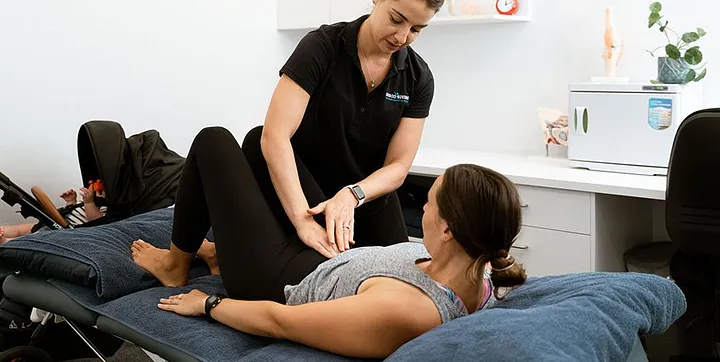
The treatment itself involves applying a handheld device over the affected area. Patients may experience mild discomfort during the procedure, particularly when treating chronic tendon injuries, but the sessions are generally well tolerated.
Most treatment plans include several sessions spaced over multiple weeks. Your progress is monitored throughout the process, and rehabilitation exercises may be recommended to maximize recovery and restore strength.
The Importance of Early Assessment
Waiting too long before seeking treatment can sometimes allow tendon degeneration to worsen, making recovery more difficult. Chronic injuries often respond better when addressed before permanent structural changes develop.
Early evaluation also helps determine whether shockwave therapy is likely to be effective or whether another treatment option should be considered. An accurate diagnosis ensures that patients receive the most appropriate care for their specific condition.
Combining Shockwave Therapy With Other Treatments
Shockwave therapy often delivers the best results when integrated into a comprehensive rehabilitation program. Exercise therapy, manual therapy, mobility training, strength development, and movement correction all contribute to long term recovery.
Addressing biomechanical factors that contributed to the injury helps reduce the likelihood of future recurrence. Rather than focusing only on pain relief, comprehensive care aims to restore full function and improve overall movement quality.
At Coastal Sports And Wellness, we create personalized treatment plans that combine multiple evidence based approaches to help patients achieve lasting results.
Making an Informed Decision
Choosing between surgery and conservative care should never be rushed. While surgery remains essential for certain injuries, many chronic tendon and soft tissue conditions can improve significantly with non invasive treatment. Shockwave therapy offers patients an opportunity to stimulate natural healing, reduce pain, and return to the activities they enjoy without the risks associated with an operation.
Every patient’s condition is unique, making professional evaluation an essential first step. Understanding the nature of the injury, its severity, and the available treatment options allows patients to make informed decisions that support both short term recovery and long term health.
If persistent pain has been affecting your daily life, seeking an assessment before committing to surgery may open the door to effective non surgical solutions. Coastal Sports And Wellness is committed to helping patients find the most appropriate path toward recovery through individualized care, advanced treatment techniques, and a focus on restoring healthy movement for the future.