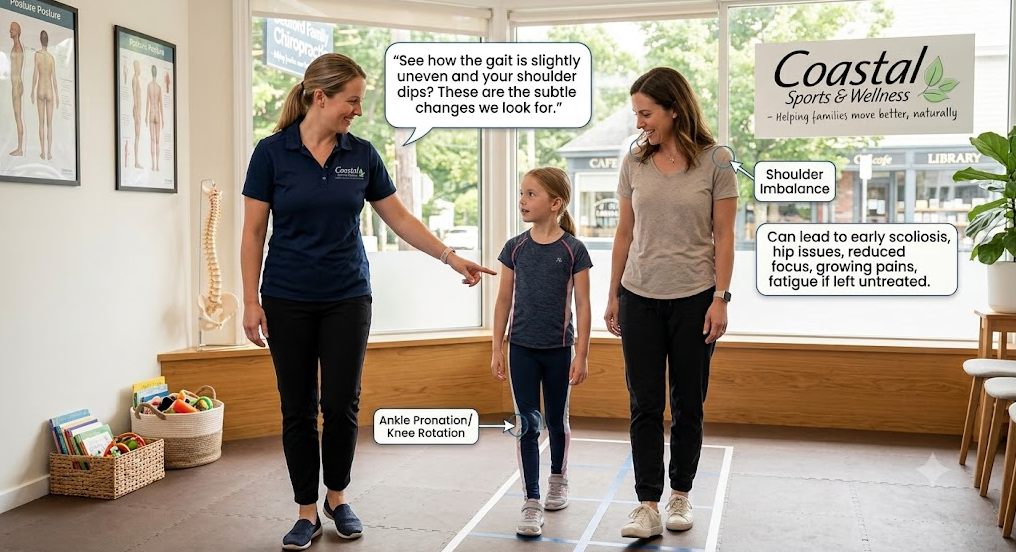
Beyond Back Pain: Subtle Movement Changes a Family Chiropractor in Bedford Can Help Identify
Understanding the Movement Patterns Behind Everyday Discomfort
Back pain is often treated as the main problem, but discomfort can sometimes be connected to subtle changes in how the body moves. A person may notice stiffness, reduced flexibility, uneven posture, or difficulty performing familiar movements before significant pain develops. These changes can gradually influence the way the spine, hips, shoulders, and other joints work together. Because everyday movement is highly interconnected, a small restriction in one area may affect movement elsewhere in the body. A family chiropractor in Bedford can assess these patterns and identify movement changes that may otherwise be overlooked. At Coastal Sports And Wellness, we look beyond isolated symptoms to understand how movement patterns may be affecting overall physical function.
Why Small Movement Changes Matter
The body constantly adjusts its movement to maintain balance, stability, and efficiency during everyday activities. When one joint becomes restricted or a muscle becomes less active, other parts of the body may compensate without the person consciously realizing it. These compensations can become habitual when they continue for weeks or months. Someone may begin turning slightly differently, standing with more weight on one leg, or avoiding a particular range of motion. Although these changes may initially seem insignificant, repeated compensation can place additional demands on muscles and joints. Recognizing these patterns early can provide useful information about how the body is functioning before discomfort becomes more persistent.
Changes in Walking Patterns
Walking is one of the simplest ways to observe how different parts of the body coordinate with each other. Changes in stride length, foot placement, arm movement, or the amount of weight placed on each leg can sometimes indicate an underlying movement restriction. A person may also begin walking more cautiously after experiencing an injury, even after the original discomfort has improved. Over time, the altered pattern may become automatic and influence the hips, pelvis, knees, and lower back. A family chiropractor can evaluate how the body moves during basic activities and consider whether certain areas are contributing to an altered gait. This type of assessment can be particularly useful for people who notice that one side of their body feels different from the other.
Posture Is More Than Standing Straight
Posture is often associated with keeping the shoulders back and maintaining a straight spine, but healthy posture is more dynamic than that. The body constantly changes position while sitting, standing, walking, reaching, lifting, and working. A person may develop a habit of leaning forward, rotating the torso, shifting weight to one side, or holding the head in a forward position. These patterns can become difficult to notice because they develop gradually through repeated daily activities. Examining posture alongside movement can provide a broader understanding of how the musculoskeletal system is functioning. Our approach at Coastal Sports And Wellness considers these everyday patterns rather than focusing exclusively on where discomfort happens to be felt.
Reduced Range of Motion
A gradual reduction in mobility can be easy to ignore when it does not immediately cause pain. Someone may stop reaching as high, rotating as far, squatting as deeply, or extending a joint fully without realizing that their movement has changed. The body can adapt to these limitations by using other joints or muscles to complete the same task. This may create movement patterns that feel normal even though they are different from the person’s previous ability. A family chiropractor in Bedford can assess functional ranges of motion and look for differences between sides of the body. Understanding these changes can help establish a clearer picture of mobility and physical function.
The Connection Between Hips and Lower Back
The hips and lower back work closely together during standing, walking, bending, and lifting. When hip mobility changes, the lower back may contribute more movement to compensate for the restriction. Conversely, a person experiencing back discomfort may subconsciously reduce movement through the lower spine and rely more heavily on the hips. These adaptations can make it difficult to determine which area originally changed and which areas are compensating. A detailed movement assessment can examine the relationship between the pelvis, hips, and lumbar region rather than viewing each area in isolation. This broader perspective can be valuable when recurring back discomfort is accompanied by stiffness or uneven movement.
Shoulder Movement Can Reveal More Than Shoulder Problems
The shoulders depend on coordinated movement involving the upper back, neck, ribs, and surrounding muscles. A change in shoulder mobility can therefore affect movement well beyond the shoulder joint itself. Someone may notice that one arm does not reach overhead as easily or that one shoulder moves differently when reaching behind the body. These differences can develop after injury, prolonged desk work, repetitive activities, or changes in physical activity. A movement assessment can examine how the shoulder blades and upper spine participate in common movements. Identifying these differences may help explain why certain activities feel uncomfortable even when the shoulder itself is not the only area involved.
Sitting Habits Can Influence Movement
Modern routines often involve long periods of sitting, whether at a desk, in a vehicle, or at home. Remaining in one position for extended periods can encourage repetitive postural habits and reduce opportunities for natural movement throughout the day. Some people begin to favor one side of the chair, cross one leg consistently, or position their screen in a way that causes repeated rotation of the neck. These habits may appear harmless but can contribute to noticeable differences in how the body moves over time. A family chiropractor can discuss these daily patterns while assessing mobility, posture, and functional movement. Small adjustments to movement habits can sometimes be an important part of maintaining comfortable and efficient physical activity.
Movement Changes After an Injury
An injury can influence movement even after the original symptoms have improved. People often protect an uncomfortable area by changing how they walk, bend, reach, or lift. Once the body becomes accustomed to this protective strategy, the altered movement may continue even when the initial issue is no longer prominent. This can create a situation where a person feels generally better but still does not move in the same way as before the injury. Assessing movement after recovery can help identify lingering differences that may be affecting daily function. At Coastal Sports And Wellness, we recognize that understanding post injury movement can be an important part of supporting long term physical performance and mobility.
Balance and Stability Changes
Balance is another useful component of movement that can change gradually without obvious pain. A person may become less comfortable standing on one leg, changing direction quickly, stepping over an obstacle, or maintaining stability during certain activities. These changes may result from differences in strength, mobility, coordination, or confidence in a particular movement. They can also influence how the body distributes load during everyday activities. A family chiropractor in Bedford can incorporate functional movement observations into an assessment when appropriate. Understanding balance and stability patterns can provide additional information about how different parts of the body are working together.
Repetitive Movements Can Create Hidden Compensation
Repetitive tasks can encourage the body to favor specific movement patterns. Athletes may repeatedly use one side of the body, while workers may perform the same lifting, reaching, bending, or twisting motion throughout the day. Over time, these repeated actions can produce differences in flexibility, coordination, or muscular demand between the two sides. A person may not experience immediate discomfort because the body is highly capable of adapting to repeated workloads. However, changes in movement quality can sometimes become noticeable before pain appears. Evaluating these patterns can help identify areas that may benefit from improved mobility, strength, technique, or movement awareness.
Family Chiropractic Care Is Not Only About Back Pain
Chiropractic care is commonly associated with back and neck discomfort, but movement assessment can involve a much broader view of physical function. Families may seek care for stiffness, mobility concerns, activity related discomfort, recurring movement limitations, or changes noticed during exercise and everyday activities. A family focused approach allows movement considerations to be adapted to different ages, activity levels, and lifestyles. The goal is not simply to identify where something hurts but to understand how the body is moving and functioning as a whole. This can make the assessment process more relevant to people who want to remain active and maintain their physical capabilities. Professional assessment can also help determine when another healthcare professional or additional evaluation may be appropriate.
What a Movement Assessment May Examine
A movement assessment can involve observing basic activities such as walking, bending, reaching, rotating, squatting, and balancing. The clinician may also examine joint mobility, posture, muscular coordination, and differences between the left and right sides of the body. The specific assessment depends on the person’s concerns, physical activity, history, and current level of function. These observations can help identify movement restrictions or compensatory strategies that may not be obvious during ordinary conversation. The information gathered can then contribute to an individualized approach based on the person’s functional needs. Movement assessment is therefore useful not only for identifying problems but also for understanding how a person performs everyday physical tasks.
When to Pay Attention to Subtle Changes
People do not necessarily need to wait for significant pain before paying attention to changes in movement. Difficulty performing a familiar exercise, reduced flexibility, recurring stiffness, or a noticeable difference between sides can all be useful observations. A change that persists or progressively affects normal activities deserves more attention than a temporary difference after an unusually demanding day. Individuals should also seek appropriate medical evaluation when symptoms are severe, sudden, progressive, or accompanied by concerning signs. Chiropractic assessment can form one part of a broader approach to musculoskeletal health when appropriate. Recognizing changes early may help people become more aware of how their daily habits and physical activities influence movement.
Supporting Better Movement Over Time
Healthy movement is not about achieving perfect posture or eliminating every difference between the two sides of the body. Human movement naturally varies, and appropriate movement depends on individual structure, activity, age, occupation, and physical goals. The more important consideration is whether a movement limitation or compensation is persistent, uncomfortable, or interfering with activities that matter to the individual. Professional guidance can help identify relevant movement patterns and develop strategies that support mobility and function. Regular physical activity, appropriate strengthening, mobility work, ergonomic awareness, and recovery habits can all contribute to maintaining movement capacity. Coastal Sports And Wellness takes a comprehensive approach to helping individuals understand their movement patterns and make informed choices about their physical wellbeing.
Looking Beyond the Location of Pain
Pain can provide important information, but the location of pain does not always explain the entire movement pattern behind it. The body operates through interconnected joints, muscles, connective tissues, and nervous system responses that coordinate movement across multiple regions. A restriction in one area may therefore influence how another area moves during a particular activity. Looking beyond the painful location can provide a more complete understanding of functional changes that may otherwise remain unnoticed. A family chiropractor in Bedford can help assess these relationships while considering the individual’s symptoms, movement history, and everyday activities. For people who want to stay active, recognizing subtle movement changes can be an important step toward maintaining confidence and physical function.