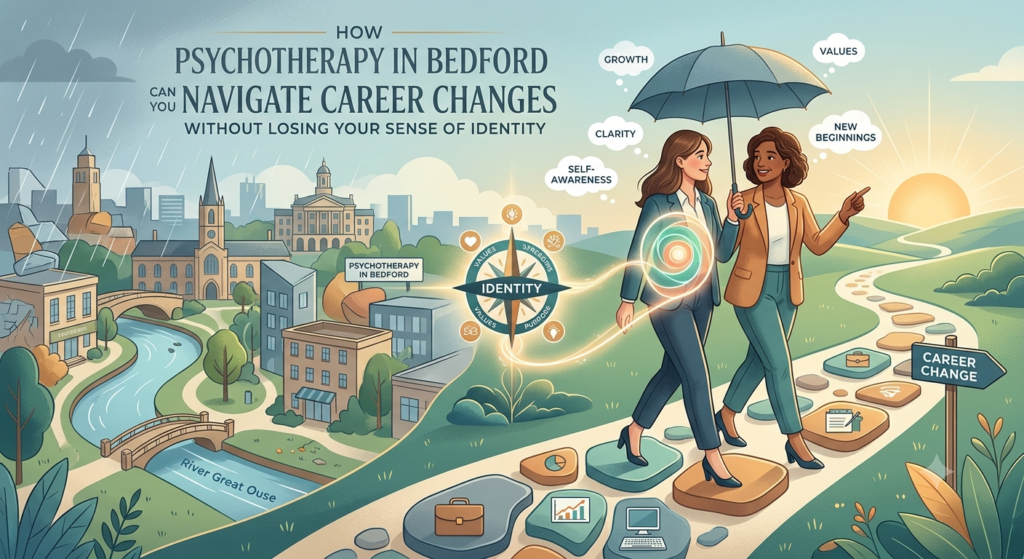
How Psychotherapy in Bedford Can Help You Navigate Career Changes Without Losing Your Sense of Identity
Understanding the Emotional Impact of Career Changes
Career changes can bring exciting opportunities, personal growth, and the possibility of discovering a more fulfilling professional direction. However, changing careers can also create uncertainty about who we are, what we value, and where we belong. Our professional lives often become closely connected to our identities, influencing how we see ourselves and how others perceive us. When we leave a familiar role, change industries, or begin pursuing a different ambition, we may experience unexpected feelings of anxiety, grief, or self-doubt. At Coastal Sports And Wellness, we understand that navigating these transitions involves more than updating a résumé or developing new professional skills. Psychotherapy in Bedford can help individuals understand these emotional challenges, reconnect with their personal values, and approach career changes with greater confidence and self-awareness.
Why Our Careers Become Part of Our Identities
For many people, a career represents much more than a source of income because it provides structure, purpose, social connections, and a sense of achievement. The work we do can influence our daily routines, relationships, confidence, and expectations for the future. Over time, professional titles and responsibilities may become closely associated with how we define ourselves. When these familiar aspects of life change, it can feel as though we are losing an important part of our identity. Someone who has spent years building a successful career may struggle to imagine who they are outside that professional role. Through psychotherapy in Bedford, individuals can explore the relationship between their careers and their identities while discovering that their worth extends far beyond their job titles, achievements, or professional status.
Recognising When Career Changes Affect Your Mental Wellbeing
Career transitions can affect emotional wellbeing in different ways, depending on personal circumstances, previous experiences, and the expectations surrounding the change. Some individuals feel excited about pursuing a new opportunity but simultaneously worry about making the wrong decision. Others experience stress when leaving a secure position, returning to education, starting a business, or entering a completely unfamiliar industry. These feelings may appear as persistent overthinking, difficulty sleeping, irritability, reduced motivation, or a loss of confidence in everyday decisions. It can also become challenging to maintain healthy relationships when work-related uncertainty occupies most of our attention. Recognising these emotional responses allows us to address them before they become overwhelming, and psychotherapy can provide a supportive environment for understanding what we are experiencing and identifying healthier ways to cope.
Exploring Your Personal Values Beyond Professional Success
One of the most valuable aspects of psychotherapy during a career transition is the opportunity to examine what genuinely matters to us. Professional success is often measured through salary increases, promotions, recognition, job titles, and the expectations of colleagues or family members. Although these achievements can be meaningful, they do not always reflect our deeper priorities or contribute to long-term satisfaction. We may discover that flexibility, creativity, family time, meaningful relationships, or opportunities to contribute to our community have become more important than climbing the corporate ladder. Psychotherapy in Bedford can help individuals identify these underlying values and distinguish personal aspirations from expectations imposed by others. By understanding what matters most, we can make career decisions that support a more authentic and balanced life rather than pursuing professional goals that no longer align with our priorities.
Managing the Fear of Starting Again
Beginning a new career can feel intimidating, particularly when it involves stepping away from years of experience and entering an unfamiliar environment. Individuals may worry about losing their professional reputation, earning less money, disappointing others, or struggling to compete with more experienced candidates. These concerns can become especially difficult when we compare our new beginnings with the achievements we accumulated in our previous careers. Such comparisons may create the impression that we are moving backwards, even when we are making a deliberate and positive change. At Coastal Sports And Wellness, we recognise the importance of approaching these feelings with understanding rather than allowing fear to determine every decision. Through psychotherapy, individuals can examine the assumptions behind their worries, develop more balanced perspectives, and recognise that starting again does not erase their previous experience, transferable skills, or capacity for growth.
Building Confidence During Professional Uncertainty
Confidence can become fragile when familiar routines disappear and the outcomes of our decisions remain uncertain. Even highly capable professionals may question their abilities when entering a new industry, accepting a different position, or returning to work after a significant break. These doubts can encourage avoidance, excessive preparation, or a reluctance to pursue opportunities that might lead to meaningful progress. Psychotherapy can help individuals identify the experiences and thought patterns that contribute to these reactions while developing healthier ways to respond to uncertainty. Rather than expecting ourselves to feel completely confident before taking action, we can learn to build confidence through manageable steps, realistic expectations, and reflection on previous successes. With support from psychotherapy in Bedford, career changers can gradually strengthen their trust in their own judgement and become more comfortable learning new skills, asking questions, and adapting to unfamiliar professional situations.
Coping With Pressure From Family and Society
Career decisions rarely happen in isolation because they can be influenced by family expectations, cultural values, financial responsibilities, and wider social attitudes towards success. A person considering a career change may worry about how relatives will respond, particularly if they have invested considerable time and resources into their existing profession. Others may feel pressure to maintain a certain income, preserve their social standing, or follow a conventional path towards professional advancement. These expectations can make it difficult to acknowledge personal dissatisfaction or explore alternatives without feeling guilty. Psychotherapy offers an opportunity to examine these influences and understand how they affect our choices, emotional responses, and sense of responsibility. By developing healthier boundaries and learning to communicate our needs clearly, we can respect important relationships while making decisions that reflect our own circumstances, values, and long-term wellbeing.
Understanding the Grief Associated With Leaving a Career Behind
Although career changes are often discussed in terms of opportunity and progress, they can also involve genuine feelings of loss. Leaving a familiar workplace may mean losing close relationships with colleagues, a respected professional identity, established routines, or the satisfaction of performing tasks we have mastered over many years. Even when a career change is voluntary, we may miss aspects of our previous professional lives while recognising that moving forward is necessary. These conflicting emotions can be confusing, especially when others expect us to feel entirely positive about our decision. Psychotherapy can help individuals acknowledge this sense of loss without interpreting it as evidence that their decision was wrong. By making space for reflection, gratitude, and emotional adjustment, we can appreciate what our previous careers contributed to our lives while allowing ourselves to embrace new possibilities.
Developing Healthier Ways to Manage Career-Related Stress
Uncertainty surrounding employment, income, professional performance, and future opportunities can place considerable pressure on our mental and physical wellbeing. When stress becomes persistent, it may affect concentration, sleep, relationships, and our ability to make thoughtful decisions. Some individuals respond by working excessively, constantly checking for opportunities, or placing unrealistic demands on themselves to succeed immediately. Others withdraw from social activities or postpone important decisions because they feel overwhelmed by the number of possible outcomes. Psychotherapy can help individuals recognise these patterns and explore practical coping strategies suited to their needs and circumstances. Through approaches such as cognitive behavioural therapy, where appropriate, individuals may learn to challenge unhelpful thought patterns, manage anxiety, establish realistic expectations, and develop routines that support emotional resilience throughout the transition.
Reconnecting With Your Strengths and Transferable Skills
Changing careers does not mean abandoning everything we have learned or achieved in our previous professional lives. Skills such as communication, problem-solving, leadership, organisation, adaptability, and relationship management can remain valuable across many different industries. However, when people feel uncertain about their professional identities, they may overlook these strengths or underestimate their relevance to a new direction. Psychotherapy can support a more balanced understanding of personal capabilities by helping individuals reflect on past experiences, recognise patterns of resilience, and identify qualities that extend beyond their current occupation. This process can be particularly useful for people returning to work after a break, transitioning into a new industry, or reconsidering what professional fulfilment means to them. By recognising the strengths they already possess, individuals can approach new opportunities with a clearer understanding of their abilities and a greater appreciation of the experiences that have shaped them.
Creating a Career Path That Reflects Your Authentic Self
A fulfilling career does not necessarily follow a predictable progression from education to employment, promotion, and retirement. Personal circumstances, interests, responsibilities, and priorities can change significantly throughout adulthood, making it natural for professional ambitions to evolve as well. Some people discover that they want greater flexibility, while others seek more meaningful work, creative freedom, or opportunities to make a positive difference in their communities. Psychotherapy can help individuals explore these changing priorities and consider what a sustainable professional future might look like. Instead of making decisions based solely on external recognition or fear of failure, individuals can begin evaluating opportunities according to their personal values, practical needs, and emotional wellbeing. At Coastal Sports And Wellness, we encourage a thoughtful approach to wellbeing that recognises the importance of understanding ourselves as whole individuals rather than defining our identities exclusively through our careers.
Strengthening Relationships During a Career Transition
Career changes can influence personal relationships because professional uncertainty often affects our mood, availability, financial decisions, and expectations for the future. Partners may have different opinions about the risks associated with changing jobs, while family members may struggle to understand why an established career no longer feels satisfying. Friends and colleagues can also respond differently when our professional circumstances change, particularly if our social connections have been closely linked to our workplace. These situations may lead to misunderstandings, feelings of isolation, or pressure to justify decisions that are deeply personal. Psychotherapy can help individuals recognise their emotional needs, communicate more effectively, and approach difficult conversations with greater clarity. When necessary and appropriate, couples or family therapy may also provide a space to discuss shared concerns, understand different perspectives, and develop practical ways to navigate the transition together.
Establishing Realistic Expectations for Personal and Professional Growth
One challenge associated with changing careers is the expectation that we should quickly feel confident, competent, and satisfied in our new circumstances. However, developing expertise in a different field takes time, and adjusting to unfamiliar responsibilities can involve mistakes, setbacks, and periods of uncertainty. Comparing our early experiences in a new profession with years of achievement in a previous role can create unrealistic standards that undermine motivation. Psychotherapy can help individuals recognise these expectations and develop a more compassionate approach to learning and personal development. By focusing on achievable goals, acknowledging incremental progress, and treating setbacks as opportunities for reflection, we can reduce unnecessary pressure and build sustainable momentum. This approach allows us to recognise that professional growth and personal fulfilment are ongoing processes rather than outcomes that must be achieved within a fixed timeframe.
When to Consider Psychotherapy in Bedford
Seeking support during a career transition can be helpful whenever professional uncertainty begins affecting emotional wellbeing, relationships, confidence, or everyday functioning. You do not need to wait until stress becomes overwhelming before speaking with a qualified mental health professional. Psychotherapy may be particularly valuable if you feel disconnected from your identity, struggle with persistent self-doubt, experience anxiety about making decisions, or find it difficult to separate your personal worth from professional achievements. It can also support individuals who are considering a career change but feel unable to move forward because of fear, guilt, or conflicting expectations. The therapeutic process provides an opportunity to explore these concerns at a pace that feels manageable while developing a clearer understanding of personal priorities and coping strategies. When choosing a therapist in Bedford, consider their qualifications, therapeutic approach, relevant experience, and whether you feel comfortable discussing your concerns openly with them.
Moving Forward Without Losing Yourself
Career changes can challenge our assumptions about success, stability, and identity, but they can also create opportunities to develop a more authentic relationship with ourselves. Leaving a familiar professional role does not mean losing the qualities, relationships, experiences, and values that make us who we are. Instead, it can provide an opportunity to reconsider our priorities, recognise our strengths, and build a future that better reflects our evolving needs. Psychotherapy in Bedford can help individuals navigate the emotional complexity of this process while developing greater self-awareness, resilience, and confidence in their decisions. At Coastal Sports And Wellness, we recognise that personal wellbeing deserves attention throughout every stage of professional development, including periods of uncertainty and change. With the right support, thoughtful reflection, and realistic expectations, it is possible to explore new career opportunities while maintaining a strong sense of identity, purpose, and connection to the person you want to become.