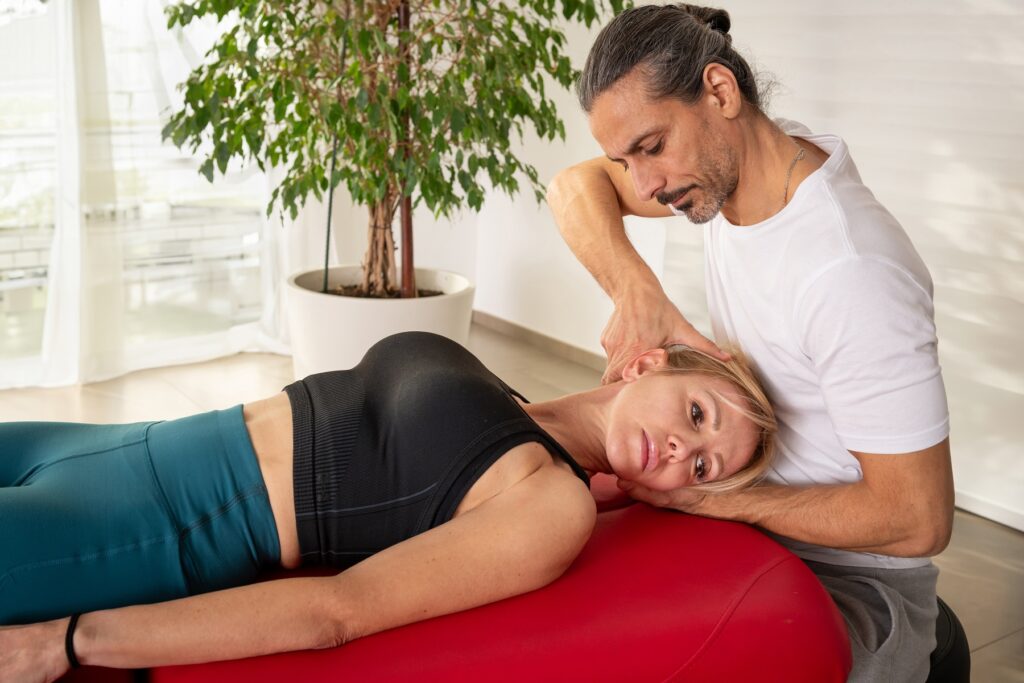
Vestibular Physiotherapy : A Simple Guide to Balance and Dizziness Treatment
Have you ever felt dizzy, lightheaded, or like the world is spinning around you? If so, you might be experiencing a problem with your vestibular system. The vestibular system helps control balance and coordination.
When it does not work properly, it can make daily life difficult. This is where vestibular physiotherapy can help.
In this blog, we will explain what this physiotherapy is, what conditions it treats, the steps involved, and how it can help you feel better.
What is Vestibular Physiotherapy?
This type of physiotherapy is a specialized treatment that helps people who have dizziness, balance problems, or motion sickness. It focuses on improving the function of the inner ear, brain, and body coordination. The therapy includes exercises and techniques to retrain the brain and improve balance.
A trained physiotherapist will guide you through exercises and treatments designed to help your body adjust to movement, reduce dizziness, and regain stability.
What Happens During Your First Assessment?
During your first assessment, the physiotherapist will:
- Ask About Your Symptoms – They will ask questions about your dizziness, balance issues, or any problems with coordination.
- Medical History – They will check if you have had any past injuries, surgeries, or conditions that may be affecting your balance.
- Balance Tests – You may be asked to walk, turn your head, or stand in different positions to check your balance.
- Eye Movement Tests – Since the eyes and ears work together for balance, your physiotherapist will check how your eyes move when you follow objects.
- Head and Neck Assessment – They may test how your head and neck move to see if they are affecting your dizziness.
- Customized Treatment Plan – Based on the assessment, they will create a personalized treatment plan with vestibular physiotherapy exercises to help you improve.
Common Conditions Treated by This Physiotherapy
Neuro vestibular therapy can help with many conditions that affect balance and coordination. Some of the most common issues include:
1. Vertigo (BPPV – Benign Paroxysmal Positional Vertigo)
- A condition where sudden head movements cause dizziness and a spinning sensation.
- Often caused by tiny particles in the inner ear shifting out of place.
- Vestibular rehabilitation physiotherapy helps reposition these particles to stop dizziness.
2. Vestibular Neuritis and Labyrinthitis
- Inner ear infections that cause severe dizziness, nausea, and imbalance.
- This physiotherapy helps the brain adjust and restore normal function.
3. Meniere’s Disease
- A disorder that causes vertigo, hearing loss, ringing in the ears, and a feeling of fullness in the ear.
- Physiotherapy helps manage symptoms and improve balance.
4. Post-Concussion Syndrome
- After a head injury, people often experience dizziness, balance issues, and brain fog.
- Vestibular therapy helps with brain recovery and coordination.
5. Motion Sickness
- Some people feel dizzy or nauseous while traveling in cars, boats, or airplanes.
- Dizziness and balance therapy exercises help the brain adapt to movement and reduce discomfort.
6. Stroke or Brain Injury
- A stroke or head injury can cause balance problems and dizziness.
- Vestibular therapy helps restore movement and improve walking ability.
7. Aging-Related Balance Issues
- As people get older, their balance system may weaken, increasing the risk of falls.
- Physiotherapy strengthens muscles and improves stability.
Steps of Vestibular Physiotherapy Treatment
The physiotherapy involves several steps to help you regain your balance and reduce dizziness. Here’s what you can expect:
Step 1: Assessment and Diagnosis
- The physiotherapist examines your balance, eye movements, and posture to identify the cause of your dizziness.
Step 2: Customized Exercise Plan
- A personalized plan is created based on your condition. It includes head, eye, and body movements to improve balance.
Step 3: Balance Training
- Exercises focus on standing, walking, and moving without feeling dizzy or unsteady.
Step 4: Gaze Stabilization Exercises
- Helps improve eye movement control and reduce dizziness when looking around.
Step 5: Head and Body Movements
- Special movements help retrain the brain to adjust to motion and reduce vertigo symptoms.
Step 6: Strength and Coordination Training
- Exercises help improve muscle strength and body coordination to prevent falls.
Step 7: Progress Monitoring and Adjustments
- The therapist monitors your improvement and adjusts the treatment plan as needed.
Benefits of Vestibular Physiotherapy
- Reduces Dizziness and Vertigo – Helps manage spinning sensations and nausea.
- Improves Balance and Stability – Makes walking and standing easier.
- Prevents Falls – Reduces the risk of falling due to balance problems.
- Enhances Brain Adaptation – Helps the brain adjust to motion and regain control.
- Boosts Confidence – Allows people to move freely without fear of dizziness.
FAQs
1. How long does this physiotherapy take to work?
The time varies for each person. Some people feel better within a few sessions, while others may need a few months to see full improvement.
2. Are these physiotherapy exercises safe?
Yes, they are safe when done under the guidance of a trained physiotherapist. The exercises are designed to improve your balance without causing harm.
3. Can this physiotherapy cure vertigo?
It depends on the cause of vertigo. For conditions like BPPV, vestibular therapy can completely stop dizziness. For other conditions, it helps manage symptoms effectively.
4. Is this physiotherapy painful?
No, the exercises should not be painful. However, they may cause mild discomfort at first as your brain and body adjust to the movements.
5. Do I need a doctor’s referral for vertigo treatment therapy?
In most cases, you do not need a referral, but it’s always best to check with your healthcare provider.
6. Can older adults benefit from vestibular therapy?
Yes, vestibular therapy is very helpful for older adults who experience balance problems and want to prevent falls.
How Coastal Sports & Wellness Inc Can Help
If you are looking for vestibular physiotherapy near Halifax, it is important to find experienced physiotherapists who specialize in balance and dizziness treatments.
At Coastal Sports & Wellness Center, we offer professional orthopedic and vestibular rehabilitation to help you regain your stability and confidence. Whether you need vestibular rehabilitation physiotherapy for vertigo, concussion recovery, or motion sickness, we are here to guide you every step of the way.
Book an appointment today and start your journey toward better balance and movement!