Acupuncture Archives - Coastal Sports and Wellness

Our Blog
The latest updates to support your health and recovery.

    • NOVEMBER 7, 2026
    • 0
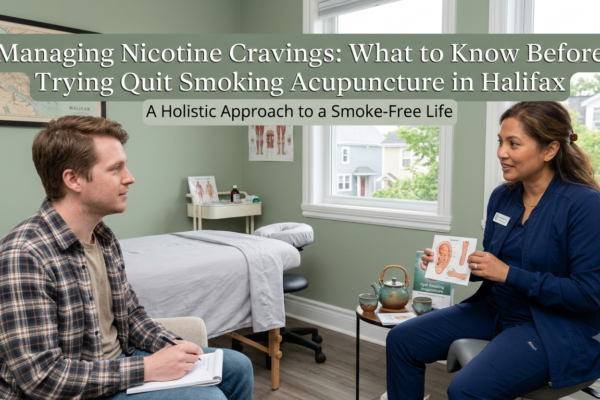
    Managing Nicotine Cravings: What to Know Before Trying Quit Smoking Acupuncture in Halifax

    Managing Nicotine Cravings: What to Know Before Trying Quit Smoking Acupuncture in Halifax

    Understanding Why Nicotine Cravings Occur Quitting smoking is an important step toward improving overall health, but managing nicotine cravings can make the process challenging for many people. Nicotine affects the brain’s reward system, creating a cycle in which the body becomes accustomed to regular nicotine exposure. When someone stops smoking or reduces nicotine intake, withdrawal

    • JULY 11, 2026
    • 0
    Can Acupuncture in Bedford Improve Sleep Quality Naturally?

    Can Acupuncture in Bedford Improve Sleep Quality Naturally?

    Can Acupuncture in Bedford Improve Sleep Quality Naturally? A restful night’s sleep is essential for maintaining physical health, emotional well being, and overall quality of life. Yet many people struggle with falling asleep, staying asleep, or waking up feeling refreshed. Busy schedules, chronic stress, pain, hormonal changes, and lifestyle habits can all interfere with healthy

    • MAY 11, 2026
    • 0
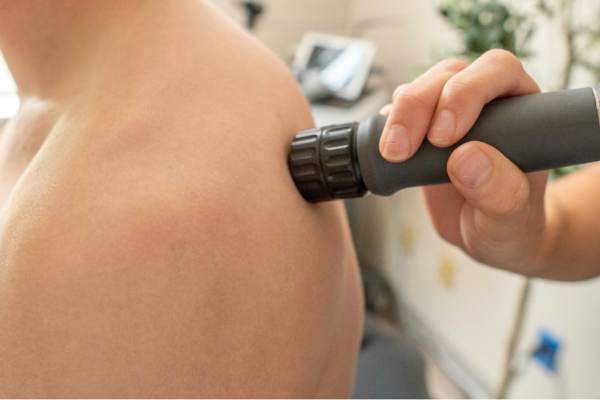
    What Is Shockwave Therapy? A Detailed Guide

    What Is Shockwave Therapy? A Detailed Guide

    Wondering what shockwave therapy is, and whether it’ll work for your chronic pain? If you’ve been dealing with chronic tendon pain or a stubborn sports injury, exploring shockwave therapy can be worthwhile.  Originally developed for kidney stones, shockwave therapy is now one of physiotherapy’s most validated non-invasive treatments. In this guide, we’ll explain how shockwave

    • APRIL 26, 2026
    • 0
    Dry Needling vs Acupuncture: Key Difference

    Dry Needling vs Acupuncture: Key Difference

    When it comes to pain relief and muscle recovery, many people often compare dry needling vs acupuncture to understand which treatment is right for them. While both techniques involve the use of thin needles, they differ significantly in their purpose, approach, and underlying philosophy. Understanding these differences can help you make an informed decision based